In This Article
Somewhere between 100,000 and 10 million dust mites can be living inside a single unprotected mattress, and your pillow isn’t much better off. If you’ve been waking up congested, itchy-eyed, or wheezing even though your bedroom looks spotless, the culprit is probably six inches from your face every night. A hypoallergenic pillow protector won’t turn your bedroom into a sterile bubble — nothing does that — but it puts a tightly woven, allergen-resistant barrier between you and the microscopic tenants living in your pillow filling.
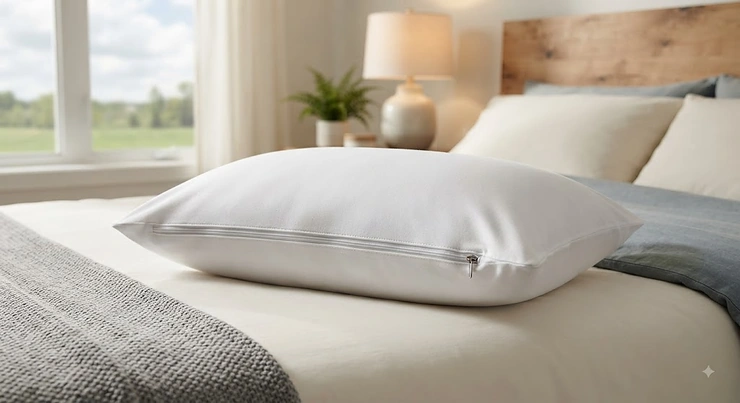
This guide skips the marketing fluff you’ll find on most product pages. Instead, you’ll get a real look at seven pillow protectors actually sold in Canada, an honest breakdown of what “hypoallergenic” does and doesn’t mean, and the practical differences between a waterproof pillow protector and a purely allergen-focused one. Whether you’re managing a diagnosed dust mite allergy, dealing with asthma that flares overnight, or just have skin that reacts to everything, there’s a genuinely useful pick ahead. According to Health Canada’s guidance on dust and dust mites, these microscopic organisms live throughout our homes and can aggravate pre-existing conditions like asthma — so this isn’t a niche concern, it affects a huge share of Canadian households, especially through our humid summers and sealed-up winters.
Quick Comparison Table
| Product | Type | Best For | Price Range (CAD) |
|---|---|---|---|
| Amazon Basics Hypoallergenic Pillow Protector | Tight-weave cotton | Budget shoppers wanting basic protection | C$15–C$20 |
| Utopia Bedding Bamboo Viscose Waterproof Pillow Protector | Bamboo viscose + waterproof backing | Sensitive skin and spill protection | C$20–C$30 |
| SafeRest Pillow Protector | Cotton terry + waterproof membrane | Combined dust mite and fluid barrier | C$25–C$35 |
| AllerEase Ultimate Cotton Pillow Protector | Temperature-balancing cotton | Hot sleepers with allergies or asthma | C$30–C$40 |
| SureGuard Pillow Protectors | Waterproof cotton terry | All-around bed bug and allergen sealing | C$35–C$45 |
| National Allergy Premium Zippered Pillow Protector | 300-thread-count cotton | Allergist-grade barrier without vinyl feel | C$40–C$55 |
| FAUNNA 600TC Pillow Protectors (4-Pack) | 600 thread count OEKO-TEX cotton | Best per-unit value in a multi-pack | C$45–C$60 |
Looking at this lineup, the split really comes down to whether you want pure allergen defence or a dual-purpose waterproof barrier. The Amazon Basics Hypoallergenic Pillow Protector and National Allergy Premium Zippered Pillow Protector lean into breathable, tightly woven cotton without a waterproof backing, which some allergy sufferers actually prefer because it sleeps cooler. Meanwhile SafeRest, SureGuard, and Utopia Bedding add a waterproof membrane, which matters more if you’re also dealing with night sweats, kids, or pets sharing the bed.
💬 Just one click — help others make better buying decisions too!😊
Top 7 Hypoallergenic Pillow Protectors: Expert Analysis
1. Amazon Basics Hypoallergenic Pillow Protector — best budget pick for tight-weave cotton protection
The Amazon Basics Hypoallergenic Pillow Protector is built from a super-tight-weave 100% cotton shell rather than the plasticky vinyl laminate you’ll find on cheaper allergy covers. That weave density is the whole point: it’s fine enough to keep dust mite waste and pollen particles from passing through while still letting air circulate. A full zipper closure encases the entire pillow rather than leaving a gap at one end, and the fabric is machine washable and tumble-dry safe on low heat. Based on the spec comparison with other entry-level covers, this is one of the few budget options that skips a rubberized backing entirely, which means no crinkly plastic sound every time you shift your head — a genuinely common complaint about cheaper waterproof-style protectors. It’s the right call for someone who wants a straightforward, breathable barrier and doesn’t need waterproofing. Reviewers consistently describe it as soft against the cheek and unnoticeable once the pillowcase goes over top, though a handful note the fit runs slightly snug on extra-plush pillows. If you can’t verify real reviews for a specific batch, treat any five-star claim with mild skepticism and check current buyer photos before ordering.
Pros:
- ✅ Tight-weave cotton blocks allergens without vinyl feel
- ✅ Fully zippered for complete pillow coverage
- ✅ Breathable — no plastic crinkle at night
Cons:
- ❌ No waterproof layer for spills or sweat
- ❌ Fit can run snug on oversized or gusseted pillows
Sitting around C$15–C$20, the Amazon Basics Hypoallergenic Pillow Protector is the value entry point of this whole roundup — a smart pick if you just want a genuine allergen barrier without paying for features you won’t use.

2. Utopia Bedding Bamboo Viscose Waterproof Pillow Protector — best bamboo-soft pick for sensitive skin
The Utopia Bedding Bamboo Viscose Waterproof Pillow Protector swaps cotton for a viscose-from-bamboo face fabric bonded to a waterproof, bed-bug-proof backing. In practice, that means you get the smoother, slightly cooler hand-feel bamboo fibres are known for, plus a membrane that stops fluids and allergens from soaking into the pillow core. What most buyers overlook about bamboo viscose specifically is that it’s a processed regenerated fibre — smooth and soft, but the “naturally antimicrobial” claims often printed on packaging aren’t independently verified, so treat that specific marketing line with a grain of salt even while the softness claim holds up. For anyone with eczema, dermatitis, or generally reactive skin, the appeal here isn’t hypothetical hypoallergenic-ness so much as the physically smoother surface causing less overnight friction against the face. The zippered, fully sealed design also earns it a spot on the bed-bug-barrier side of the ledger, not just dust mites. Aggregated review sentiment across similar Utopia Bedding covers points to a soft, quiet surface with occasional complaints about the zipper pull feeling flimsy after repeated washing.
Pros:
- ✅ Bamboo viscose face fabric feels notably smoother than cotton
- ✅ Waterproof backing blocks fluids and bed bugs
- ✅ Sold as a 2-pack, so both pillows get covered
Cons:
- ❌ “Antimicrobial” bamboo claims aren’t independently verified
- ❌ Zipper hardware reported as less durable long-term
At roughly C$20–C$30 for the pair, the Utopia Bedding Bamboo Viscose Waterproof Pillow Protector earns its spot for sensitive-skin sleepers who want softness and waterproofing bundled together at a still-accessible price.
3. SafeRest Pillow Protector — best waterproof-and-breathable dust mite barrier
SafeRest built its reputation on a specific engineering detail: a Micro-Zipper fine enough to block even stage-1 bed bug nymphs, paired with a cotton terry surface bonded to a breathable, waterproof polyurethane membrane. Here’s what the spec sheet doesn’t fully convey — that membrane is vinyl-, phthalate-, and PVC-free, which is exactly why it doesn’t get the hot, plasticky feel of older waterproof mattress and pillow covers. It’s also OEKO-TEX certified and backed by a 10-year warranty, both of which are meaningful, verifiable claims rather than vague marketing language. On paper this is the protector to choose if you want one product solving two problems: dust mite allergens and moisture (sweat, drool, the occasional spilled coffee-in-bed situation). Reviewers frequently mention the noiseless quality as a standout, since older waterproof covers were notorious for a crinkling sound with every movement — a common complaint SafeRest was specifically engineered around, based on their own product positioning. The trade-off is that any waterproof-backed protector traps a bit more heat than a pure cotton shell.
Pros:
- ✅ Micro-Zipper blocks bed bugs and fine allergen particles
- ✅ OEKO-TEX certified, PVC- and vinyl-free membrane
- ✅ 10-year manufacturer warranty
Cons:
- ❌ Waterproof backing traps slightly more heat than plain cotton
- ❌ Limited to Standard/Queen sizing on this model
Priced around C$25–C$35, the SafeRest Pillow Protector is the strongest dual-purpose (waterproof and hypoallergenic) option in this lineup and a smart mid-range default if you’re not sure which single feature matters most.
4. AllerEase Ultimate Cotton Pillow Protector — best temperature-balancing pick for hot sleepers
AllerEase has positioned itself as the allergist-recommended name in the category, and the Ultimate Cotton line backs that up with fabric pore sizes engineered under 10 microns — small enough to block the major dust mite and pet dander allergens that trigger reactions. What makes this one worth a dedicated mention is the temperature-balancing fabric technology borrowed from athletic wear: it absorbs and releases heat depending on your body temperature, which directly addresses the biggest complaint about allergen-barrier bedding — that it sleeps hot. Based on the spec comparison with cotton-only competitors, this is the pick built specifically for people who’d otherwise avoid allergen covers because of overheating. The cotton shell also carries an antimicrobial finish intended to reduce odour-causing bacteria between washes, a genuinely useful add-on for anyone prone to night sweats. Aggregated review sentiment for the AllerEase line consistently highlights the soft hand-feel and the lifetime warranty as standout value, with occasional notes that the zipper flap can be a little bulky under a fitted pillowcase.
Pros:
- ✅ Temperature-balancing fabric fights the “sleeps hot” problem
- ✅ Sub-10-micron pore size blocks major allergens
- ✅ Backed by a lifetime warranty
Cons:
- ❌ Antimicrobial claims apply to the fabric finish, not medical-grade protection
- ❌ Zipper flap adds slight bulk under tight-fitting pillowcases
In the C$30–C$40 range for a two-pack, the AllerEase Ultimate Cotton Pillow Protector is the one to buy if a previous allergen cover made you sweat through the night — this is the fix for that specific problem.
5. SureGuard Pillow Protectors — best all-around bed bug and allergen seal
SureGuard occupies similar territory to SafeRest — 100% waterproof, bed-bug-proof, hypoallergenic cotton terry with a zippered closure — making it a genuine head-to-head alternative worth cross-shopping. The practical difference buyers report is in surface texture: SureGuard’s terry weave leans slightly plusher, which matters more than it sounds like on paper, since a scratchy allergen cover is one that people quietly stop using within a month. Honest analysis here has to acknowledge that both SureGuard and SafeRest solve nearly identical problems; the deciding factor for most shoppers ends up being pack size and current availability rather than a dramatic performance gap. What stands out is the smooth (non-quilted) surface option, which some buyers specifically seek out because quilted waterproof covers can develop lumps over time as the fill shifts. For anyone splitting a mattress with a partner who doesn’t share the allergy, having two properly sealed pillow protectors — one per pillow — matters more than most single-pillow buying guides mention.
Pros:
- ✅ Fully waterproof and bed-bug-proof cotton terry construction
- ✅ Smooth (non-quilted) surface avoids lumping over time
- ✅ Sold in pairs, covering both pillows on a shared bed
Cons:
- ❌ Very similar performance profile to SafeRest — limited differentiation
- ❌ Waterproof backing means it can’t be dried on high heat
Expect to pay around C$35–C$45 for the pair, putting the SureGuard Pillow Protectors solidly in the mid-premium bracket for couples who want matched, fully sealed coverage.
6. National Allergy Premium 100% Cotton Zippered Pillow Protector — best high-thread-count option for allergist-grade barriers
The National Allergy Premium 100% Cotton Zippered Pillow Protector uses a 300-thread-count cotton weave, noticeably denser than most budget covers, which translates directly into a finer allergen barrier without resorting to a laminate backing. National Allergy has built its whole catalogue around allergist-oriented products rather than general bedding, and that focus shows in the details — a fully breathable zippered encasement with no vinyl smell straight out of the packaging, a complaint that plagues cheaper allergy covers. What most buyers overlook about thread count on allergen barriers specifically is that higher isn’t automatically better past a certain point; the goal is pore size small enough to block Der p1 and Der f1 proteins (the actual dust mite allergens), and 300-thread-count cotton comfortably clears that bar while staying soft. This is the pick for anyone who’s tried a plasticky allergy cover before and found it uncomfortable — the honest trade is a slightly higher price for a noticeably more premium feel. Reviewers commonly note the breathability and softness as standouts compared with lower-thread-count alternatives, with the main gripe being that the 2-pack sizing means you’re paying a premium price per unit.
Pros:
- ✅ 300-thread-count cotton for a denser, finer weave
- ✅ No vinyl smell or plastic feel out of the package
- ✅ Purpose-built by an allergy-focused brand, not a generalist bedding company
Cons:
- ❌ Premium price per unit compared to basic cotton covers
- ❌ No waterproof option in this specific line
At around C$40–C$55 for the pair, the National Allergy Premium 100% Cotton Zippered Pillow Protector sits at the higher end of pure-cotton allergen covers, justified mainly by the denser weave and brand specialization.
7. FAUNNA 600TC Pillow Protectors (4-Pack) — best hotel-grade multi-pack value
The FAUNNA 600TC Pillow Protectors push thread count even further, to 600, and pair it with OEKO-TEX certification confirming the fabric was tested against a defined list of harmful substances rather than just labelled “safe” with no backing. Sold as a 4-pack with a silent zipper, this is squarely the option for larger households, guest rooms, or anyone who’d rather stock up once than reorder every season. Based on the spec comparison with the National Allergy pick above, FAUNNA’s higher thread count edges out a slightly softer, more hotel-like hand-feel, though the practical allergen-blocking performance between 300TC and 600TC cotton is closer than the marketing gap suggests — both comfortably block dust mite waste particles once you’re past roughly 230 thread count with a tight weave. What OEKO-TEX certification does confirm, and what plain “hypoallergenic” labeling on a package does not, is that the fabric was screened for formaldehyde, heavy metals, and certain pesticide residues — a separate but related benefit for sensitive-skin sleepers. Aggregated feedback on this style of hotel-grade protector tends to highlight the silent zipper and crisp feel, with occasional notes about slightly longer drying time given the denser weave.
Pros:
- ✅ 600 thread count for a dense, hotel-quality weave
- ✅ OEKO-TEX certified against harmful substances
- ✅ 4-pack covers a whole household in one order
Cons:
- ❌ Denser fabric takes longer to fully air dry
- ❌ No waterproof backing included
Priced around C$45–C$60 for four protectors, the FAUNNA 600TC Pillow Protectors deliver the best per-unit value of any option here once you account for pack size.
Waterproof vs Hypoallergenic Pillow Protector: What’s Actually the Difference
These two terms get used almost interchangeably in product listings, which causes real confusion at checkout. A hypoallergenic pillow protector is defined by weave density — how tightly the fabric is woven to physically block allergen particles like dust mite waste, pollen, and pet dander from passing through. A waterproof pillow protector is defined by an added membrane or laminate backing that blocks liquid. The two aren’t mutually exclusive, but they solve different problems, and a product can genuinely be one without the other.
Products like the Amazon Basics Hypoallergenic Pillow Protector and the National Allergy Premium 100% Cotton Zippered Pillow Protector are allergen-focused without a waterproof layer — great breathability, no protection against spills or sweat soaking through. Meanwhile SafeRest, SureGuard, and Utopia Bedding stack both functions, which matters if kids, pets, or night sweats are part of your household reality. Here’s the honest trade-off: waterproof backing, even the breathable kind, traps marginally more heat than plain woven cotton. If overheating already disrupts your sleep, a temperature-balancing pick like AllerEase or a pure-cotton option may serve you better than a fully waterproof one, even if you’re giving up some spill protection.
✨ Not sure which category fits your household? Check current listings for both a cotton-only pick and a waterproof one — trying one of each is often cheaper than replacing a pillow ruined by moisture.
What Is a Hypoallergenic Pillow Protector?
A hypoallergenic pillow protector is a zippered fabric encasement, typically woven from cotton, bamboo viscose, or a cotton-blend terry, designed to fully seal a pillow so that allergens like dust mite waste, pollen, and pet dander cannot pass through the weave. It reduces — but does not eliminate — allergen exposure during sleep, and works best alongside regular hot-water washing.
Worth noting honestly: as one Canadian bedding retailer’s own research summary points out, hypoallergenic is a marketing term with no regulatory definition in Canada, so claims vary widely between brands and pore size, thread count, and independent certification (like OEKO-TEX) are far more reliable indicators of real performance than the word “hypoallergenic” printed on a package.
How to Choose a Hypoallergenic Pillow Protector
- Check the weave density or pore size first. Look for stated micron ratings (under 10 microns is the benchmark AllerEase and similar allergist-oriented brands use) rather than trusting the word “hypoallergenic” alone.
- Decide if you need waterproofing. If moisture, pets, or kids are part of the picture, prioritize a membrane-backed option like SafeRest or SureGuard; if not, a breathable cotton-only pick like National Allergy will sleep cooler.
- Match the fabric to your skin sensitivity. Bamboo viscose (Utopia Bedding) tends to feel smoother against reactive skin, while high-thread-count cotton (FAUNNA) offers a crisper, more traditional feel.
- Confirm the zipper fully encases the pillow. Partial coverage or exposed zipper teeth without a fabric flap leave gaps allergens can pass through.
- Look for third-party certification, not just marketing claims. OEKO-TEX Standard 100, mentioned on both SafeRest and FAUNNA, verifies the fabric was tested for harmful substances — a concrete, checkable claim.
- Factor in pack size and household needs. A 4-pack like FAUNNA makes more sense for multiple beds or frequent washing rotation than buying single units repeatedly.
- Set a wash routine before you buy, not after. Health Canada recommends washing dust-mite covers regularly as part of an overall reduction strategy, so pick a protector rated for frequent hot-water washing.
Allergen Barrier Fabric: The Tech Actually Worth Paying For
Marketing copy loves the word “advanced,” but only a handful of fabric features genuinely change allergen performance. Weave density (pore size) is the single biggest factor — everything else is secondary. A fabric with pores under roughly 10 microns physically blocks the Der p1 and Der f1 proteins responsible for most dust mite allergic reactions, regardless of whether the base material is cotton, bamboo viscose, or a cotton-poly blend. Published research on indoor residential air quality and health reinforces why source reduction at the fabric level matters as much as ventilation and cleaning habits when it comes to managing airborne allergen load in the bedroom. This is why AllerEase, built specifically around that sub-10-micron benchmark, and National Allergy‘s dense 300-thread-count weave both perform similarly despite different marketing language.
Features that matter less than the packaging suggests: colour, “luxury” branding, and thread count increases past roughly 300–400 (the jump from 300TC to 600TC on FAUNNA improves hand-feel more than allergen blocking). Features that genuinely do matter: a full zipper flap covering the zipper teeth, third-party certification like OEKO-TEX, and a stated micron rating. If a listing doesn’t mention pore size, weave tightness, or independent certification at all, treat “hypoallergenic” as an unverified claim rather than a guarantee.
Allergen-Blocking Pillow Covers vs Regular Pillowcases
A regular pillowcase, even a nice cotton one, is a loose-woven, single-layer fabric with no allergen-blocking intent — it’s designed for feel and appearance, not filtration. An allergen-blocking pillow cover is a separate, fully zippered layer that goes underneath your regular pillowcase, sealing the pillow itself rather than just dressing it up. This distinction trips people up constantly: buying a “hypoallergenic pillowcase” isn’t the same purchase as a hypoallergenic pillow protector, and the two aren’t interchangeable.
The practical difference shows up over time. A regular pillowcase gets washed, but the pillow underneath it accumulates dust mite waste for months or years between deep cleans — and pillows are notoriously awkward to wash properly. A protector like SureGuard or SafeRest sits between the pillowcase and the pillow, meaning the allergen barrier gets washed on the same schedule as your sheets, while the pillow itself stays sealed and protected long-term. For anyone managing a diagnosed allergy, both layers should be in place: a protector for the barrier, a pillowcase for comfort and appearance on top.
✨ Ready to Fix Your Pillow Setup Tonight?
🔍 Pair any protector above with your existing pillowcase for a complete two-layer defence — no need to replace your whole bedding set to get real allergen protection.
Asthma-Friendly Bedding: Building a Bedroom That Doesn’t Fight You
Asthma triggers overlap heavily with allergy triggers, but the stakes are higher. Asthma Canada’s guidance on indoor triggers points to dehumidifiers, keeping indoor humidity below 50%, and removing bedroom carpeting as core strategies for cutting dust mite exposure — pillow protectors are one piece of that broader strategy, not a standalone fix. If your asthma symptoms tend to flare specifically at night or right after waking, your pillow and mattress are worth investigating before anything else in the room.
For asthma-specific households, prioritize breathable options over heavily laminated ones. A waterproof membrane, even a good one, restricts airflow slightly, and while that trade-off is worth it for moisture-prone households, pure cotton picks like National Allergy or Amazon Basics may be the better call if nighttime breathing comfort is the top concern. Pair whichever protector you choose with a genuinely consistent wash schedule — hot water, at least every one to two weeks — since even the best barrier fabric accumulates surface allergens that need to be physically removed, not just blocked.

Sensitive Skin Bedding: Materials That Won’t Fight Back
Sensitive skin and allergy sensitivity often travel together but aren’t identical problems — a fabric can be allergen-blocking and still cause contact irritation from dyes, finishes, or a rough weave. This is where certification matters more than the word “hypoallergenic”: OEKO-TEX Standard 100, present on both SafeRest and FAUNNA, specifically screens for chemical residues (formaldehyde, heavy metals, certain pesticides) that can trigger reactions independent of dust mite allergens entirely.
For genuinely reactive skin — think eczema, dermatitis, or unexplained overnight irritation — texture matters as much as chemistry. Bamboo viscose, as used in the Utopia Bedding Bamboo Viscose Waterproof Pillow Protector, has a smoother fibre surface than standard cotton, which reduces overnight friction. High-thread-count cotton, like FAUNNA‘s 600TC option, achieves a similarly soft hand-feel through denser weaving rather than a different fibre. Either route can work; what matters is avoiding uncertified, unbranded covers with no disclosed material sourcing, since those are the ones most likely to carry undisclosed finishing chemicals.
Practical Usage Guide: Setup, Washing & the First 30 Days
Getting a pillow protector onto a pillow sounds obvious until you’re wrestling a zipper closed at 11 p.m. Unzip the protector fully, turn it inside out over your hand like a sock, grab the pillow through the fabric, and pull the casing right-side out over the pillow rather than stuffing the pillow in — it’s faster and reduces strain on the zipper seams. Zip fully closed and check that no zipper teeth are exposed; a fabric flap should cover the track completely on quality protectors like SafeRest or AllerEase.
For the first 30 days, wash the new protector once before first use, even though it arrives “clean,” since manufacturing residues aren’t the same as allergen-free. After that, aim for a hot-water wash (55–60°C) every one to two weeks — this is the single most common mistake people make, buying a great protector and then washing it on cold, which fails to kill live dust mites even though it removes surface debris. Tumble dry on low unless the product specifies air-drying only, which applies to some waterproof-backed options like Utopia Bedding. Skip fabric softener, since it can coat and clog the fine weave responsible for allergen blocking in the first place.
Real-World Scenarios: Matching the Protector to the Sleeper
The apartment renter with a dust mite allergy and a small budget: living in a rented space with older carpeting and no control over building-wide humidity, the priority is an affordable, breathable barrier that doesn’t require special laundry equipment. The Amazon Basics Hypoallergenic Pillow Protector fits here — cheap enough to buy two or three at once, machine washable in a standard laundromat setting, and effective for the core dust mite problem.
The parent of a child with diagnosed asthma: kids’ pillows deal with drool, spills, and frequent washing, so a dual-purpose pick matters more than for an adult sleeper. SafeRest or SureGuard, both waterproof and allergen-blocking, reduce the number of separate products a parent has to manage while still addressing the asthma-trigger side of things.
The couple with one partner who has eczema-prone skin and no allergies: here the priority shifts from pure allergen-blocking toward fabric feel and chemical certification. The Utopia Bedding Bamboo Viscose Waterproof Pillow Protector, with its smoother bamboo face fabric, addresses the skin-comfort half of the equation while still offering incidental dust mite protection as a bonus.
Problem → Solution: Common Pillow Allergy Pain Points
Problem: Waking up congested despite a clean-looking bedroom. Visual cleanliness has nothing to do with dust mite levels, which live inside fabric, not on visible surfaces. Solution: add a barrier like National Allergy or FAUNNA and commit to weekly hot-water washing of the protector itself.
Problem: An allergen cover that sleeps unbearably hot. This usually points to a fully laminated, non-breathable backing. Solution: switch to a temperature-balancing option like AllerEase, or drop the waterproof layer entirely if moisture protection isn’t essential in your household.
Problem: A protector that developed a musty smell after a few months. Almost always a drying issue — waterproof-backed fabrics need full air circulation to dry completely. Solution: extend the dryer cycle or finish with a few hours of air-drying, and confirm the specific product’s care label rather than defaulting to standard laundry settings.
Problem: Ongoing symptoms even after adding a protector. Clinical research on allergen-barrier bedding generally confirms that exposure to dust mite allergens drops meaningfully with a properly fitted protector, but that reduction doesn’t automatically translate into noticeable symptom relief for every individual. Solution: treat the protector as one layer of a broader plan — pair it with regular vacuuming, humidity control, and a conversation with an allergist if symptoms persist.
Common Mistakes When Buying a Hypoallergenic Pillow Protector
The most frequent mistake is trusting the word “hypoallergenic” on the package without checking for a stated micron rating or third-party certification — since, as covered above, the term itself isn’t regulated in Canada. A close second is buying a fully waterproof protector without considering the heat trade-off, then abandoning it within weeks because it sleeps uncomfortably hot; if that’s a risk for you, a breathable cotton-only pick is the safer starting point. Shoppers also frequently underestimate wash frequency requirements, assuming a protector “just works” passively rather than needing regular hot-water washing to actually remove accumulated surface allergens. Finally, sizing mismatches are common — an overstuffed gusseted pillow crammed into a standard-fit protector like some budget options stretches the weave and can compromise the barrier over time; check listed dimensions against your actual pillow, not just the size label (“Standard,” “Queen,” “King”).
Safety, Regulations & Certification in Canada
There’s no Canadian regulatory body that certifies or defines “hypoallergenic” bedding claims, which means the term itself carries no legal weight — a genuinely important thing for shoppers to understand before paying a premium for it. What does carry weight is independent, checkable certification: OEKO-TEX Standard 100, present on products like SafeRest and FAUNNA, involves testing for a defined list of substances including formaldehyde and heavy metals. On the broader health guidance side, Health Canada’s residential indoor air quality guideline on moulds notes that damp conditions increase the risk of respiratory allergy symptoms and can worsen asthma in mould-sensitive individuals — a useful reminder that pillow protectors address dust mites specifically, not mould, which is a separate problem requiring humidity control rather than fabric barriers.
For households managing a diagnosed condition, it’s worth pairing product choice with the broader guidance available through Canadian public health resources rather than treating any single product as a complete solution.
Long-Term Cost & Maintenance
Thinking about a pillow protector as a one-time purchase undersells its actual value. A pillow itself typically needs replacing every one to two years without protection, versus a much longer usable life — often several years — when properly encased, since the protector absorbs the oil, sweat, and skin-cell buildup that otherwise degrades pillow filling. Run the math on the budget Amazon Basics pick at roughly C$15–C$20: even factoring in a replacement every year or two of heavy use, that’s a small fraction of what repeatedly replacing unprotected pillows would cost.
Premium options like National Allergy or FAUNNA cost more upfront but tend to hold their weave integrity and zipper function longer under frequent hot-water washing — a real factor, since washing is non-negotiable for allergen control and cheaper fabrics can degrade faster under that laundry stress. Multi-packs, like FAUNNA‘s 4-pack, also reduce cost-per-unit meaningfully if you’re outfitting more than one bed, making them the stronger long-term value pick for larger households even though the sticker price is higher.

FAQ
❓ Does a hypoallergenic pillow protector actually stop allergies?
❓ How often should I wash a pillow protector?
❓ Is a waterproof pillow protector the same as a hypoallergenic one?
❓ Can a pillow protector help with asthma symptoms at night?
❓ What thread count is best for an allergen-blocking pillow cover?
Conclusion
A hypoallergenic pillow protector is one of the few bedding upgrades with a genuinely clear mechanism behind it — tighter weaves physically block the particles that trigger allergic and asthmatic reactions, full stop. What separates a good purchase from a disappointing one isn’t the word “hypoallergenic” printed on the packaging; it’s checking for stated pore size or micron rating, deciding honestly whether you need waterproofing or would rather keep things breathable, and committing to a real wash routine once the protector’s on the bed.
Across the seven picks here, there’s a genuine option for every situation: the Amazon Basics Hypoallergenic Pillow Protector for budget-conscious buyers, SafeRest and SureGuard for households that need waterproofing alongside allergen control, AllerEase for hot sleepers who’ve been burned by stuffy allergy covers before, and National Allergy or FAUNNA for anyone prioritizing a denser, more premium weave. None of them will make dust mites vanish from your bedroom entirely — nothing does — but paired with regular hot-water washing and a bit of humidity awareness, any one of these meaningfully cuts down what’s landing on your pillow each night.
Recommended for You
- Zippered Pillow Protector Queen Size: 7 Best Picks for 2026
- Waterproof Pillow Protector: 7 Top Canadian Picks for 2026
- Est Pillow Protectors in Canada (2026): 7 Picks Worth Buying
Disclaimer: This article contains affiliate links. As an Amazon Associate, I earn from qualifying purchases. If you purchase products through these links, we may earn a small commission at no additional cost to you.
✨ Found this helpful? Share it with your friends! 💬🤗
