In This Article
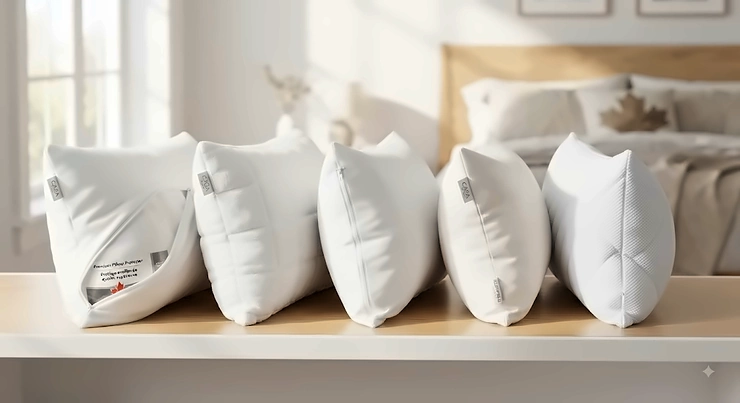
A pillow protector is a thin, zippered cover that slides between your pillow and your pillowcase, forming a barrier against sweat, drool, dead skin, dust mites and the odd 2 a.m. glass-of-water mishap. It doesn’t change how your pillow feels — a good one is practically invisible under your sheets — but it dramatically slows down the yellowing, lumping and odour that eventually kill even a great pillow.
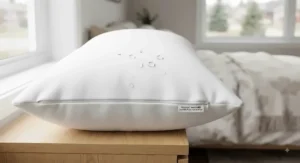
Here’s the thing nobody tells you when you buy a nice pillow: it starts absorbing moisture, oil and skin cells the very first night, and none of that comes out in a normal wash cycle. best pillow protectors solve a problem most Canadians don’t think about until their pillow already smells a little off or their allergist asks a pointed question about their bedroom. If you’ve ever pulled the case off an old pillow and immediately regretted it, you already understand the appeal.
We spent time digging through real product listings, verified specifications, and aggregated customer feedback on Amazon.ca to put together this list — not a rewritten spec sheet, but an honest look at which protectors are worth your money and why. Health Canada’s guidance on preventing bedbugs recommends encasing bedding items as part of a broader prevention strategy, which is one more reason this unglamorous little purchase deserves more attention than it gets. Whether you’re chasing the best pillow protectors for allergies, hunting for an affordable pillow protector for a guest room, or just tired of replacing pillows every eight months, there’s a real option below for you.
Quick Comparison Table: Best Pillow Protectors in Canada
| Product | Best For | Fabric | Waterproof | Price Range (CAD) |
|---|---|---|---|---|
| SafeRest Premium Hypoallergenic Zippered Pillow Protector | Best overall | Cotton terry | Yes | C$20–C$35 |
| Utopia Bedding Waterproof Pillow Protector (2-Pack) | Best budget pick | Cotton terry | Yes | Under C$25 |
| AllerEase Platinum Allergy Defense Pillow Protector | Best for allergies | Plush poly-blend | Yes | C$25–C$40 |
| AllerEase Organically Grown Cotton Pillow Protector | Best organic option | Organic cotton | No | C$25–C$35 |
| SureGuard Pillow Protectors (2-Pack) | Best premium waterproof | Smooth cotton | Yes | C$30–C$45 |
| Canadian Linen Cotton Pillow Protector (2-Pack) | Best Canadian brand | 100% cotton | No | C$25–C$40 |
| Brooklinen Pillow Protector | Best luxury pick | 500TC cotton, antimicrobial | No | C$50–C$70 |
Looking at the spread above, the pattern is pretty clear: if waterproofing is non-negotiable for you, three of the seven — SafeRest, Utopia Bedding, and SureGuard — cover that need at very different price points. If you’re specifically shopping the allergy angle, AllerEase shows up twice because the brand splits its lineup between a synthetic “particle barrier” version and a gentler organic cotton one. Buyers chasing a hotel-quality feel should look straight at Brooklinen or Canadian Linen, since thread count and fabric hand matter more to them than waterproofing.
💬 Just one click — help others make better buying decisions too!😊
Top 7 Best Pillow Protectors in Canada: Expert Analysis
1. SafeRest Premium Hypoallergenic Zippered Waterproof Pillow Protector — best all-round waterproof pick
SafeRest Premium Hypoallergenic Zippered Waterproof Pillow Protector built its reputation on one detail most competitors skip: a secured zipper flap that stops the end traveler from working itself loose. That sounds minor until you’ve had a cheaper protector’s zipper pull open mid-wash. The cotton terry surface sits over a waterproof, noiseless membrane, so it blocks fluids without the crinkly plastic sound older vinyl covers were infamous for. Based on the spec comparison, this is one of the few protectors in this price bracket combining a genuine bed-bug-rated closure with a fabric that still feels like cotton against your face.
SafeRest is built for people who want one product that handles allergens, spills, and dust mites without babying it — parents, pet owners, and anyone managing eczema or asthma symptoms will get the most value here. An independent AI-based review analysis of over 6,500 Amazon listings for this exact protector put its aggregated rating at roughly 4.6 out of 5, with the analysis flagging the review pattern as consistent with genuine buyer feedback rather than manipulation. A recurring theme in that feedback is that the terry texture takes a wash or two to soften up, which matches what you’d expect from a cotton weave straight out of the packaging.
Pros:
- ✅ Secured zipper flap prevents accidental opening
- ✅ Waterproof membrane stays quiet, not crinkly
- ✅ Strong aggregated review volume and rating
Cons:
- ❌ Terry texture feels stiff for the first few washes
- ❌ Slightly pricier than basic budget covers
At around C$20–C$35 depending on size and pack count, SafeRest lands as a strong value pick for anyone who wants one protector to handle nearly every real-world scenario without overpaying for luxury branding.
2. Utopia Bedding Waterproof Pillow Protector Terry (2-Pack) — best budget buy for multi-bed households
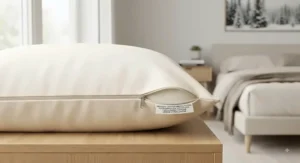
Utopia Bedding Waterproof Pillow Protector Terry (2-Pack) earns its spot as the affordable pillow protector option on this list simply by doing the basics right at a genuinely low cost per pillow. The zippered terry cover is rated as bed-bug- and dust-mite-proof, uses a waterproof backing, and is fully machine washable — there’s no missing “premium” feature hiding behind a higher-tier SKU from the same brand. What most buyers overlook about budget protectors like this one is that the core protective function (blocking fluid and allergen penetration) doesn’t actually require the fancier fabrics premium brands charge extra for.
This is the pick for anyone outfitting a rental, a college dorm room, a guest bedroom, or a household with several beds where buying seven-times the premium option just isn’t realistic. Reviewers consistently note the value-for-money angle, with the two-pack format meaning your whole household can be covered for less than a single premium protector would cost.
Pros:
- ✅ Two-pack pricing covers multiple pillows affordably
- ✅ Full bed-bug and dust-mite-proof zippered design
- ✅ Machine washable with no special care needed
Cons:
- ❌ Terry fabric feels basic compared to cotton-sateen options
- ❌ Fewer size and colour variants than bigger brands
Priced under C$25 for a two-pack in most sizes, Utopia Bedding is the value pillow protectors pick when your goal is maximum coverage per dollar rather than a spa-hotel feel.
3. AllerEase Platinum Allergy Defense Pillow Protector — best for serious allergy sufferers
AllerEase Platinum Allergy Defense Pillow Protector is built around a “particle barrier” fabric engineered with pore sizes small enough to physically block the proteins that trigger allergic reactions, not just visible dust. The plush surface uses temperature-balancing fibres borrowed from athletic wear, meaning it won’t trap heat the way older allergen barriers did. Here’s what the spec sheet won’t tell you outright: that temperature-regulating layer is largely what separates AllerEase from basic barrier fabrics, since older allergen covers were notorious for sleeping hot.
This is the protector for people whose allergist has specifically flagged dust mites or pet dander as a trigger, since AllerEase markets itself as the top-selling allergen barrier bedding brand and backs its claims with independent third-party testing rather than marketing copy alone. Reviewers frequently mention noticing fewer morning sneezing fits within the first couple of weeks of use, though as with any allergy product, individual results depend on your specific sensitivities and overall bedroom cleaning habits.
Pros:
- ✅ Pore size engineered to block allergen particles
- ✅ Temperature-balancing fabric avoids overheating
- ✅ Backed by third-party allergen-barrier testing
Cons:
- ❌ Plush poly-blend feels less breathable than cotton
- ❌ Premium allergy tech comes at a higher price point
At roughly C$25–C$40 per protector, AllerEase Platinum costs more than basic covers, but for anyone managing genuine allergy or asthma symptoms, this is arguably the smartest place in the entire bedroom to spend a little extra.
4. AllerEase Organically Grown Cotton Allergy Defense Pillow Protector — best organic-cotton option
AllerEase Organically Grown Cotton Allergy Defense Pillow Protector takes a different route to the same allergy-barrier goal: instead of an engineered poly-blend, it uses a tightly woven organically grown cotton to physically block pollen, pet dander and dust mites from settling into your pillow. The weave density does the protective work here rather than a synthetic membrane, which matters to buyers who specifically want to avoid sleeping on a layer of technical fabric every night.
Based on the spec comparison against its Platinum sibling, this version trades a bit of allergen-blocking aggressiveness for a more natural sleep surface and simpler washing instructions (machine wash warm, low-heat dry). It’s the better call for people who want allergy-friendly bedding without a synthetic feel, families leaning toward more natural materials for kids’ rooms, or anyone who finds poly-blend covers a little too warm. What most shoppers overlook is that “organic” here refers to the cotton growing process, not a formal GOTS textile certification, so it’s worth reading the specific listing if third-party organic certification matters to your purchase.
Pros:
- ✅ Tightly woven organic cotton blocks allergens naturally
- ✅ Breathable, cooler feel than poly-blend barriers
- ✅ Simple machine-wash and low-heat-dry care
Cons:
- ❌ Not waterproof, unlike the Platinum version
- ❌ Slightly less aggressive allergen barrier than synthetic weaves
Expect to pay around C$25–C$35 for a two-pack, positioning this as a genuine value pillow protectors pick for anyone prioritizing natural materials over maximum barrier performance.
5. SureGuard Pillow Protectors (2-Pack) — best premium waterproof, smooth-surface pick
SureGuard Pillow Protectors (2-Pack) solves a specific complaint people have about terry-fabric protectors: the slightly textured, almost towel-like surface some sleepers find distracting under a thin pillowcase. SureGuard swaps that for a smooth 100% cotton face over its waterproof, hypoallergenic backing, so the protector disappears more convincingly under your regular linens. The zippered closure still delivers full encasement, marketed as bed-bug-proof alongside the waterproof claim, so you’re not sacrificing protection for comfort.
This is the pick for side and stomach sleepers who are sensitive to fabric texture against their face, or anyone who’s tried a terry protector before and found it too crinkly or grippy. Reviewers commonly highlight the smoother hand-feel as the standout difference versus cheaper terry options, while noting that, like most waterproof covers, there’s a faint plastic-adjacent smell straight out of the packaging that airs out after the first wash — a normal characteristic of laminate barrier layers rather than a defect.
Pros:
- ✅ Smooth cotton surface, not textured terry
- ✅ Full waterproof and bed-bug-proof protection
- ✅ Two-pack covers a shared or guest bed
Cons:
- ❌ Initial off-gassing smell before the first wash
- ❌ Costs more than basic terry-fabric competitors
Priced around C$30–C$45 for the pair, SureGuard sits comfortably in the mid-to-premium range for buyers who want waterproofing without the terry texture trade-off.
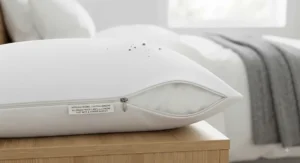
6. Canadian Linen Cotton Pillow Protector, Full Zipper Encasement (2-Pack) — best Canadian-owned brand
Canadian Linen Cotton Pillow Protector, Full Zipper Encasement (2-Pack) is the lesser-known name on this list, and honestly, it deserves more attention than it gets. Made from soft, breathable natural cotton with a full zippered encasement, it’s marketed toward the same home-and-hotel-spa positioning as much pricier brands, minus the premium markup. The queen-size listing measures 20 by 30 inches, sized to fit snugly without bunching under a standard pillowcase — a detail cheaper generic protectors sometimes get wrong.
This is a strong option for buyers who want to support a Canadian-branded bedding company and don’t need a waterproof membrane specifically — the focus here is dust-mite and bed-bug-proof natural cotton rather than fluid-barrier technology. Based on the listing details, the fabric is positioned as soft enough for daily hotel and home use without altering pillow loft, which lines up with what you’d expect from a straightforward woven-cotton, non-laminated design.
Pros:
- ✅ Full zipper encasement in true cotton fabric
- ✅ Accurately sized to avoid bunching under cases
- ✅ Positioned for hotel-spa-level comfort at home
Cons:
- ❌ Not waterproof — cotton weave only
- ❌ Fewer independently verifiable review numbers than bigger brands
At an estimated C$25–C$40 for a two-pack, Canadian Linen is a genuinely competitive affordable pillow protector choice if fluid protection isn’t your top priority.
7. Brooklinen Pillow Protector — best luxury, antimicrobial pick
Brooklinen Pillow Protector targets a completely different shopper than the rest of this list: someone who already owns a nicer pillow and wants a protector that won’t feel like a downgrade. It’s made from 500 thread count cotton, treated with an antimicrobial coating aimed at controlling odour-causing bacteria over time rather than blocking liquids outright. It ships in a two-pack across standard and king sizing, and — unusually for this category — comes backed by a 365-day return window and an additional one-year warranty.
This is the protector for buyers who’ve invested in a premium down or down-alternative pillow and want matching quality underneath their pillowcase, not a bargain add-on. Based on the spec comparison, Brooklinen prioritizes fabric feel and long-term freshness over the waterproof-barrier approach that dominates the rest of this list, which makes it a poor fit if you’re protecting against spills or incontinence, but a genuinely excellent fit if your main concern is oil, sweat and general everyday wear.
Pros:
- ✅ High 500 thread count cotton feels premium
- ✅ Antimicrobial treatment targets odour over time
- ✅ 365-day returns plus one-year warranty
Cons:
- ❌ Not waterproof — skip if spill protection is the goal
- ❌ Priced well above the rest of this list
Expect to pay in the C$50–C$70 range for the two-pack, positioning Brooklinen as the splurge pick for buyers who see pillow protection as part of a broader premium sleep setup rather than a purely functional purchase.
Top 7 Pillow Protectors: Full Spec Comparison
| Product | Closure | Waterproof | Allergy Barrier | Best For |
|---|---|---|---|---|
| SafeRest | Secured zipper flap | Yes | Yes | Best overall |
| Utopia Bedding | Standard zipper | Yes | Yes | Tight budgets |
| AllerEase Platinum | Standard zipper | Yes | Yes (engineered) | Serious allergies |
| AllerEase Organic Cotton | Standard zipper | No | Yes (woven) | Natural materials |
| SureGuard | Standard zipper | Yes | Yes | Smooth-surface fans |
| Canadian Linen | Full zip encasement | No | Partial | Canadian-brand buyers |
| Brooklinen | Zipper | No | No | Premium hotel feel |
Reading across this table, the split becomes obvious: five of the seven prioritize a functional barrier (waterproof and/or allergen-rated), while Canadian Linen and Brooklinen are betting that fabric quality and brand trust matter more to their buyers than technical protection. If you only remember one thing from this table, remember that “waterproof” and “allergy barrier” aren’t the same spec — a protector can block allergens through tight weaving alone, as AllerEase’s organic cotton version does, without stopping liquid.
Pillow Protector Buying Guide: How to Choose the Right One in 7 Steps
What is the best pillow protector? The best pillow protector for most Canadian households is a zippered, waterproof, hypoallergenic cotton-terry cover — it handles spills, allergens and dust mites at once, without the premium price tag of specialty fabrics.
- Start with your actual problem. Spill protection, allergy relief, and pillow longevity call for different features — don’t buy a waterproof barrier if allergens are your real concern, since some allergy-focused weaves aren’t waterproof at all.
- Check the closure type first. A zipper with a secured flap (like SafeRest’s) beats a basic zipper for anyone worried about bed bugs, since standard zipper teeth can leave a gap pests exploit.
- Match the fabric to your skin sensitivity. Cotton terry is durable and absorbent; smooth cotton (like SureGuard) suits texture-sensitive sleepers; poly-blend allergen barriers trade a bit of breathability for stronger particle blocking.
- Confirm the size against your actual pillow, not the label. Standard, queen and king pillow dimensions vary slightly by manufacturer — a protector that’s too snug will compress your pillow’s loft over time.
- Look for a real return or warranty policy. Brands like Brooklinen that back their products with a full-year warranty are signalling confidence in fabric durability, which is a reasonable proxy for quality.
- Weigh price per pillow, not price per pack. A C$45 two-pack and a C$22 single unit cost the same per pillow — always divide before comparing.
- Read the care label before you buy, not after. Machine-washable bedding should specify wash temperature and drying heat; ignoring this is the single most common reason protectors wear out early.
✨ Don’t Miss These Exclusive Deals!
🔍 Take your bedroom upgrade to the next level with these carefully selected pillow protectors. Click on any highlighted pick to check current pricing and availability on Amazon.ca. These small additions can make a genuinely noticeable difference in how fresh and allergy-friendly your sleep space feels.
Real-World Scenarios: Which Pillow Protector Fits Your Life
Nobody shops for a pillow protector in a vacuum — you’re shopping for your actual bed, your actual budget, and your actual bad habits (yes, eating toast in bed counts). Here’s how three common Canadian households would realistically shop this list.
The allergy household with young kids: If dust mites and pet dander trigger symptoms in your home, prioritize AllerEase Platinum for the parents’ bed and AllerEase Organic Cotton for a child’s room where a gentler, non-synthetic fabric feels like the safer call. Pair both with a genuine washing routine, since even the best allergen barrier only works if it’s actually laundered on schedule.
The budget-conscious renter or student: If you’re furnishing a first apartment or a shared house on a tight budget, Utopia Bedding’s two-pack pricing means you can outfit every bed in the unit without a serious dent in your move-in costs, while still getting genuine bed-bug and moisture protection — arguably the highest-stakes protection category for anyone renting furnished or secondhand.
The sleep-upgrade household: If you’ve already invested in a nicer pillow and premium sheets, going cheap on the protector underneath somewhat defeats the purpose. Brooklinen or Canadian Linen make more sense here — the fabric feel matters as much as the function, and neither will make your expensive pillow feel like it’s wrapped in a garbage bag.
Setting Up and Caring for Your Pillow Protector: Practical Usage Guide
Buying the right protector is half the job — using it correctly is what actually extends your pillow’s life. Most people zip it on once and forget about it entirely, which quietly undoes a chunk of the benefit.
First, wash any new protector before its first use; factory packaging residue and sizing chemicals are common, and a quick wash resolves it without affecting the barrier layer. Second, always zip the closure fully and tuck the tab in — a half-closed zipper on a waterproof protector is functionally the same as no protector at all during a spill. Third, wash your protector roughly every one to two months under normal use, or weekly if allergies are a specific concern, since allergen-barrier fabric only blocks new particles from getting in; it doesn’t self-clean what’s already accumulated on the surface.
A mistake we see constantly in the first 30 days: people machine-dry waterproof protectors on high heat, which can degrade the internal membrane over several cycles and quietly reduce the waterproofing without any visible sign. Stick to the low-heat setting listed on the tag, every time, even when you’re in a hurry. Finally, replace your protector — not your pillow — every one to two years; it’s designed to be the sacrificial layer, and a cracked or thinning membrane is doing far less than you think.
Common Mistakes When Buying a Pillow Protector
The biggest mistake buyers make is assuming “hypoallergenic” and “waterproof” mean the same thing — they don’t, and conflating them leads people to buy the wrong product for their actual problem. A close second is ignoring pillow shape entirely; a protector sized for a standard rectangular pillow will bunch awkwardly on a contoured or shredded-memory-foam pillow, undermining both comfort and coverage.
Another common misstep is buying a single unit instead of a two-pack when both pillows on a shared bed need protection — a mismatched setup where only one pillow is covered defeats a lot of the point, particularly for allergy management. People also frequently skip reading the care label until something goes wrong, then discover their “waterproof” protector was never meant for hot-water washing, which can shrink or crack cheaper laminate backings. Finally, don’t assume price signals quality here more than it does anywhere else — the mid-range options on this list, like SafeRest and SureGuard, consistently outperform some pricier competitors on the specific spec that matters most: a closure that actually stays closed.
Pillow Protector and Mattress Protector Pairing: Why You Need Both
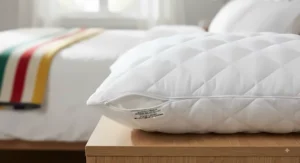
A pillow protector without a mattress protector pairing is a bit like locking your front door and leaving the windows open — you’ve addressed half the problem. Dust mites, allergens and moisture don’t respect the boundary between your pillow and the mattress beneath it; they migrate freely across shared bedding, and a mattress left unprotected re-seeds allergens back onto a perfectly clean pillow within weeks.
If allergy management or bed bug prevention is your actual goal rather than just a fresher pillow, a matching zippered mattress encasement should be treated as a package deal, not an optional upgrade. Health Canada’s bedbug prevention guidance recommends this kind of layered approach to keep pest problems from spreading, and the logic extends naturally to allergen control too — a fully encased mattress and pillow set closes off nearly every fabric surface where dust mites and their waste proteins accumulate. Practically speaking, buying protectors for both surfaces from the same closure family (zippered, secured-flap designs like SafeRest’s) also simplifies your washing schedule, since you’re not managing two completely different care routines.
Allergy-Friendly Bedding: How Pillow Protectors Fight Dust Mites and Allergens
Dust mites don’t bite and they aren’t visible to the naked eye, but their waste proteins are one of the most common year-round allergy and asthma triggers in Canadian homes. HealthLink BC’s guidance on managing household allergens specifically recommends using dust-proof pillow and mattress covers made from a tight-weave fabric that keeps out dust and mites as a core step in reducing exposure, alongside regular hot-water laundering and HEPA-filter vacuuming.
This is where the distinction between fabric types on this list actually matters in practice. A tight cotton weave, like the one used in AllerEase’s organic cotton protector, physically blocks particles through thread density alone — no membrane required. A poly-blend barrier fabric, like the one in AllerEase Platinum, is engineered with a specific pore size to do the same job with a bit more aggression. Either approach genuinely helps, but neither works if you skip the laundering half of the equation — a barrier fabric traps allergens on its surface rather than destroying them, so a protector that’s never washed is really just a very expensive dust collector sitting between you and your pillow.
For households managing asthma specifically, pairing an allergy-friendly bedding protector with reduced bedroom clutter (fewer stuffed toys, less upholstered furniture) tends to compound the benefit far more than the protector alone ever could.
Features That Actually Matter (And Those That Don’t)
Marketing copy on pillow protector listings loves to pile on adjectives, so here’s a filter for what’s genuinely worth paying for versus what’s mostly noise.
Actually matters: a secured zipper closure (flap or Velcro cover over the teeth), a genuinely waterproof — not just water-resistant — membrane if spill protection is your goal, and accurate sizing for your specific pillow shape. These three specs determine whether the protector does its actual job.
Mostly noise: thread count claims above roughly 300 for a protector you’ll never see (it sits under your pillowcase, so the visual appeal of high thread count is irrelevant, unlike on sheets); vague “premium fabric” language with no named material; and antimicrobial claims without any named active ingredient or testing standard behind them, since “antimicrobial” isn’t independently regulated the same way certifications like OEKO-TEX are. On that note, when a listing does cite a real, checkable certification, it’s worth taking seriously — the OEKO-TEX Standard 100 label specifically certifies that textiles have been tested for harmful substances, which is a genuinely useful, verifiable signal rather than marketing fluff.
Long-Term Cost & Value: Are Value Pillow Protectors Worth It?
Here’s the math that makes pillow protectors an easy yes for almost anyone: a decent pillow costs somewhere between C$40 and C$150 depending on fill type, and without protection, most pillows need replacing within one to two years of regular use. A protector costing C$20–C$45 that extends that lifespan by even six to twelve months has effectively paid for itself several times over before you’ve even factored in the hygiene benefit.
Value pillow protectors — the budget-tier options like Utopia Bedding — aren’t a compromise on this core function; the fluid and allergen barrier works essentially the same whether you paid C$20 or C$60, because the underlying physics of a tight weave or waterproof membrane doesn’t scale with brand price. What you’re paying extra for at the premium end, with picks like Brooklinen, is fabric feel, thread count, and warranty coverage — real value, just a different kind. The smartest approach for most households is a two-tier strategy: value protectors for guest rooms and kids’ beds where feel matters less, and a step up in fabric quality for the primary bed you sleep in every night.
Machine-Washable Bedding: Getting Your Wash Routine Right
Every protector on this list is machine washable, but “machine washable” doesn’t mean “wash however you like.” Allergy organizations consistently recommend washing bedding, including pillow protectors, on a hot cycle — Claritin Canada’s allergen guidance specifically advises washing all bedding and blankets once a week in hot water, at least 55°C, and checking the specific care instructions first since fabric tolerances vary by brand.
For everyday non-allergy use, washing every one to two months is generally sufficient to maintain freshness without prematurely wearing down the fabric or membrane. For allergy-focused households, the weekly hot-wash schedule is worth the extra laundry load, since it’s washing away the accumulated allergen load on the barrier’s surface rather than relying on the barrier alone to solve the problem. One practical tip that’s easy to miss: always dry waterproof protectors on low heat regardless of what the rest of your load needs, since high heat is the single fastest way to crack a waterproof membrane and quietly end its usefulness months before you’d expect.
Safety, Certifications, and Canadian Standards to Look For
Not every certification claim on a bedding listing means the same thing, and it’s worth knowing the difference before you pay a premium for one. OEKO-TEX Standard 100 is currently the most meaningful textile safety certification you’ll see on pillow protector listings — it verifies that a finished textile product has been tested for a large panel of harmful substances, including formaldehyde and azo dyes, covering every component from the fabric to the zipper pull, not just the main material.
Beyond chemical safety, buyers managing bed bug risk specifically — renters, frequent hotel travellers, or anyone who’s dealt with an infestation before — should prioritize a pore size under roughly 10 microns and a secured zipper closure, since standard zipper teeth alone can leave a gap small pests exploit. If a listing doesn’t specify pore size or closure security, it’s reasonable to assume it’s built for general hygiene and allergy use rather than active pest prevention, and to shop accordingly.
Pillow Protectors vs. No Protection: What You’re Really Paying For
| Factor | With a Pillow Protector | Without One |
|---|---|---|
| Typical pillow lifespan | 2–4 years | 1–2 years |
| Allergen exposure | Reduced with regular washing | Accumulates directly in fill |
| Spill/stain risk | Blocked (waterproof models) | Absorbed permanently |
| Replacement cost over 5 years | One pillow + a few protectors | Two to three full pillows |
The numbers here aren’t dramatic on a single-year basis, but they compound. Skipping a protector isn’t really “saving” the C$20–C$45 — it’s deferring that cost onto a full pillow replacement a year or two sooner than necessary, on top of a worse hygiene outcome the whole time you own it. For allergy-prone households specifically, the gap widens further, since the alternative to a barrier fabric isn’t “no cost,” it’s ongoing exposure to allergens your bedding is otherwise doing nothing to block.
FAQ: Best Pillow Protectors in Canada
❓ What is the best pillow protector for allergies?
❓ Do pillow protectors really work?
❓ How often should I wash a pillow protector?
❓ Are waterproof pillow protectors noisy or uncomfortable?
❓ What's the difference between a pillow protector and a pillowcase?
Conclusion
If you take one thing away from this guide, let it be this: a pillow protector is one of the cheapest, least glamorous upgrades you can make to your bedroom, and it’s also one of the few that pays for itself in hard dollars within a year or two. For most Canadian households, SafeRest hits the best overall balance of protection, comfort and price. Tight budgets and multi-bed households should look at Utopia Bedding, allergy sufferers have two genuinely different strong options in the AllerEase lineup, and anyone chasing a hotel-level feel should skip straight to Canadian Linen or Brooklinen.
Whichever you choose, remember that the protector only does its job if it’s actually zipped shut, sized correctly, and washed on the schedule its fabric requires. Pair it with a proper mattress protector pairing and a reasonable wash routine, and you’ll notice the difference in freshness — and in how long your pillow actually lasts — within the first few months.
Recommended for You
- Antimicrobial Pillow for Allergies: 7 Real Picks for 2026 Relie
- Antimicrobial vs Antibacterial Pillow: 7 Proven Picks (2026)
- Odour Resistant Pillow for Hot Sleepers: 7 Fresh Picks for 2026
Disclaimer: This article contains affiliate links. As an Amazon Associate, I earn from qualifying purchases. If you purchase products through these links, we may earn a small commission at no additional cost to you.
✨ Found this helpful? Share it with your friends! 💬🤗
