In This Article
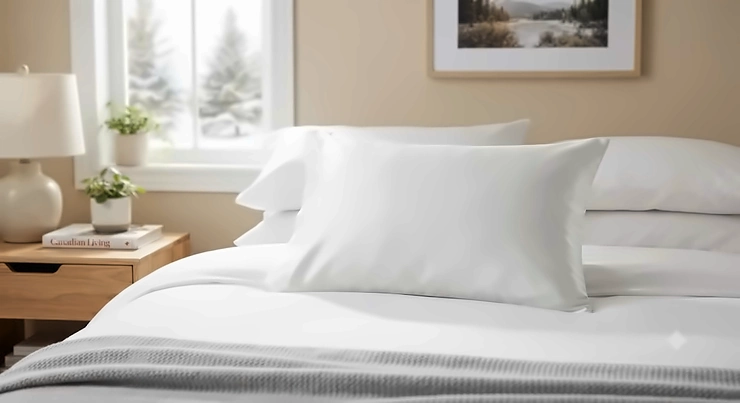
Somewhere around 2 a.m. on a muggy July night, most of us have had the same thought: why does my pillow feel like a griddle? If you’ve ever flipped your pillow four times looking for the “cool side” that never quite stays cool, the fabric under your cheek might be the actual culprit — not your thermostat. That’s usually where a bamboo pillowcase enters the conversation, and for good reason. Bamboo-derived fabric moves heat and moisture away from skin far more efficiently than standard cotton-poly blends, which is a genuinely useful trick for hot sleepers, people with sensitive skin, or anyone who’s tired of waking up with a face full of pillow creases.

This guide digs into what a bamboo pillowcase actually is (spoiler: the labelling is more regulated than you’d think), compares seven real products sold to Canadian shoppers, and breaks down who should buy which one. We’ll also get honest about the sustainability claims — because “eco-friendly” gets slapped on a lot of bedding that doesn’t fully earn it. Everything below is grounded in real specifications and aggregated customer-review sentiment, not manufactured hands-on stories, so you can make a genuinely informed call.
What Is a Bamboo Pillowcase?
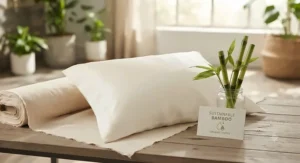
A bamboo pillowcase is a pillow cover made from fibre derived from bamboo pulp — most commonly processed into viscose (rayon) or, less often, lyocell. The pulp is dissolved and re-spun into thread, which is then woven into fabric that’s typically softer, more breathable, and more moisture-wicking than standard cotton. It’s naturally hypoallergenic and temperature-regulating, which is why it’s become a go-to pick for hot sleepers and people with sensitive skin.
That word “processed” matters more than marketing copy usually lets on. Bamboo grows fast and needs relatively little irrigation or pesticide compared to conventional cotton, but turning a bamboo stalk into thread-ready fibre involves a chemical process, and Canada’s Competition Bureau has specifically weighed in on how that has to be disclosed. If you want the full regulatory nuance, the Bureau’s own guidance on labelling textile articles derived from bamboo spells out exactly why a “bamboo pillowcase” almost always needs to say “rayon from bamboo” or “viscose from bamboo” on the actual label — something worth knowing before you assume “100% bamboo” means something it doesn’t. We’ll come back to this later, because it directly affects which sustainable bedding claims you should trust.
Quick Comparison: Top Bamboo Pillowcase Picks at a Glance
If you’re short on time, here’s the fast version. These four options cover the range from budget to splurge, and the full breakdown of all seven products follows right after.
| Pillowcase | Fabric Type | Price Range (CAD) | Best For |
|---|---|---|---|
| Cosy House Collection Rayon Derived from Bamboo | Rayon viscose | Under C$35 | Best budget entry point |
| Cariloha Classic Bamboo Viscose | Viscose, twill weave | C$60–C$75 range | Best all-around softness for the price |
| Bambaw Viscose Bamboo Pillowcase | Viscose, envelope closure | C$55–C$70 range | Best for allergy-conscious, eco-minded shoppers |
| ettitude CleanBamboo Signature Sateen | 100% bamboo lyocell | C$100–C$130 range | Best premium, lowest-chemical option |
A quick read of this table tells a pretty clear story: price generally tracks with how the fibre is processed, not just the brand name on the label. The Cosy House Collection and Cariloha Classic options use standard viscose processing, which keeps costs down but relies on more intensive chemical treatment. The ettitude pick uses a closed-loop lyocell process that’s gentler on both your skin and the environment, and that extra manufacturing step is reflected in the price tag. If softness-per-dollar is your only metric, start with Cariloha or Cosy House; if you’re specifically shopping for the cleanest possible processing method, ettitude is worth the premium.
💬 Just one click — help others make better buying decisions too!😊
Top 7 Bamboo Pillowcases: Expert Analysis
We looked at real, currently-sold products spanning budget, mid-range, and premium tiers, with a mix of viscose and lyocell processing, weave types, and closure styles. Below is our honest breakdown of each — what the spec sheet says, what it actually means for your sleep, and what real buyers report.
1. Cariloha Classic Bamboo Viscose Pillowcase Set — best all-around softness for the price
The Cariloha Classic Bamboo Viscose Pillowcase Set is the brand’s entry-level line, and it punches well above its price point on comfort alone. It’s built with a twill weave — a one-under, two-over pattern that’s naturally more resistant to wrinkling than sateen, so it holds up better between washes without needing an iron. The fabric is engineered with a specific fibre gauge that causes a small amount of shrinkage after the first wash, which sounds like a downside on paper but actually gives the case a snugger, more secure fit around your pillow once it’s been through the laundry once.
Based on the spec comparison with other viscose pillowcases in this price bracket, the twill construction is what sets Cariloha Classic apart — most budget bamboo cases use a plain weave that feels noticeably thinner. This one is best suited to buyers who want a genuine step up from cotton without paying premium sateen pricing, and who don’t mind a slightly less silky (but more durable) hand-feel. Reviewers consistently note that the twill weave holds its softness across repeated washes better than cheaper alternatives, and that the case runs true to size after the expected post-wash shrink. A recurring theme in aggregated feedback is that colour retention is strong even after dozens of wash cycles.
Pros:
- ✅ Twill weave resists wrinkling better than sateen alternatives
- ✅ Comes in five colourways for easy bedroom coordination
- ✅ Backed by a 100-night home trial for risk-free testing
Cons:
- ❌ Engineered shrinkage means sizing runs snug after first wash
- ❌ Less silky to the touch than sateen-weave competitors
Expect to pay in the C$60–C$75 range for a standard two-piece set at the time of research; prices may vary, so check current pricing before buying. Given the durability and trial period, this is a solid value pick for a first bamboo pillowcase purchase.
2. Cosy House Collection Rayon Derived from Bamboo Pillowcase Set — best budget pick under C$35
If your goal is simply to try bamboo bedding without a big financial commitment, the Cosy House Collection Rayon Derived from Bamboo Pillowcase Set is consistently one of the least expensive entry points into the category. It uses an envelope closure and is OEKO-TEX certified, meaning the finished fabric has been independently tested for harmful substances — a meaningful reassurance at this price tier, where corners often get cut elsewhere.
What most buyers overlook about budget bamboo pillowcases is that the material blend matters as much as the price. Cosy House markets this as rayon derived from bamboo (correctly labelled per Canadian textile rules), and the moisture-wicking properties hold up reasonably well even though it’s positioned as a value line. It’s best suited to renters, students, or anyone stocking a guest room who wants the cooling benefit of bamboo without the price tag of a premium brand. Aggregated customer feedback consistently flags the wide colour selection and the OEKO-TEX certification as standout reassurances, while a recurring complaint centres on the envelope closure feeling slightly less secure than a zippered alternative during restless sleep.
Pros:
- ✅ Among the lowest price-per-set in the bamboo category
- ✅ OEKO-TEX Standard 100 certified for chemical safety
- ✅ Wide range of colour options across sizes
Cons:
- ❌ Envelope closure can shift open more than a zippered case
- ❌ Feels closer to a rayon blend than a heavyweight 100% viscose
Pricing sits under C$35 for a standard two-piece set at the time of research — check current price, as budget lines like this tend to fluctuate with promotions.
3. Coop Home Goods Lulltra Pillowcase — best match for memory foam pillows
The Coop Home Goods Lulltra Pillowcase takes a different approach than most of this list: it’s a 40% viscose rayon / 60% polyester blend rather than a majority-bamboo fabric, and it’s specifically engineered to fit thick, adjustable memory-foam pillows — the kind that don’t play nicely with standard-depth cases. The Lulltra fabric is OEKO-TEX certified and manufactured in the USA, and Coop’s broader pillow line has been recommended by Consumer Reports, which lends some third-party credibility to the brand’s quality control.
Here’s what the spec sheet won’t tell you outright: because this is a poly-rayon blend rather than a majority-bamboo fabric, it won’t sleep quite as cool as the 100% viscose or lyocell options elsewhere on this list, though it still outperforms plain polyester. This is the pick for someone who already owns (or is buying) a tall memory-foam pillow and needs a case engineered to actually fit it, rather than someone chasing maximum bamboo content. Reviewers consistently mention that it fits snugly over bulkier pillows where standard cases pop off, though a fair number of aggregated comments note it runs slightly warmer than pure bamboo viscose alternatives.
Pros:
- ✅ Engineered specifically to fit thick memory-foam pillows
- ✅ Manufactured in the USA with OEKO-TEX certification
- ✅ Brand backed by Consumer Reports recommendation
Cons:
- ❌ Poly-rayon blend runs warmer than 100% bamboo viscose
- ❌ Sold as a single case rather than a matched pair
You’ll typically find this under C$40 per case at the time of research, though prices may vary by size — always confirm current pricing before ordering.
4. Bedsure PureWoven Rayon Derived from Bamboo Pillowcase Set — best silk-like drape on a mid-range budget
The Bedsure PureWoven Rayon Derived from Bamboo Pillowcase Set leans into a twill weave designed to mimic the drape and hand-feel of silk, at a fraction of silk’s price. Bedsure builds in extra material to account for the natural post-wash shrinkage that affects most bamboo viscose products, which means the “as advertised” measurements should hold up reasonably close to what you receive after laundering — a detail a lot of competitors gloss over.
On paper this means you’re getting a case that’s genuinely more moisture-wicking and cooler-to-the-touch than a standard cotton case, without the sateen-tier price. Based on the spec comparison with pricier bamboo options, the trade-off is that Bedsure’s twill finish, while smooth, doesn’t quite reach the glassy sheen of a true sateen weave — it’s a middle-ground fabric, not a luxury one. This makes it a strong pick for hot sleepers on a moderate budget who want real cooling performance without paying resort-tier prices. Aggregated reviews frequently praise the reduction in hair friction and frizz compared to cotton, while a recurring caution in user feedback is to stick strictly to cold-water washing, since the fabric is reported to be less forgiving of warm-water cycles than sturdier blends.
Pros:
- ✅ Twill weave delivers a silk-like drape at accessible pricing
- ✅ Sized generously to offset expected post-wash shrinkage
- ✅ Wide range of sizes and colourways available
Cons:
- ❌ Runs warmer than sateen-finish bamboo alternatives
- ❌ Requires strict cold-water washing to preserve fabric quality
Expect a C$30–C$45 range for a queen-size two-piece set at the time of research; as always, confirm the current price before checkout.
5. Bambaw Viscose Bamboo Pillowcase — best for allergy-conscious, eco-minded shoppers
Bambaw is a European bedding brand built specifically around sustainability messaging, and its viscose bamboo pillowcase carries OEKO-TEX Standard 100 certification alongside a specific focus on dust-mite reduction through moisture evaporation. Bamboo fibre’s natural breathability means the fabric doesn’t hold onto the humidity that dust mites and bacteria rely on to survive — a genuinely useful property if allergies or asthma are part of your household’s sleep concerns.
What most buyers overlook about “anti-allergy” bedding claims generally is that no fabric is a guaranteed dust-mite barrier — Bambaw’s own marketing is careful to frame this as reducing conditions dust mites thrive in, not eliminating them outright, which is the more honest framing. Based on aggregated review sentiment, the fabric’s softness and consistent sizing across the product range earn regular praise, while the main friction point reported by Canadian buyers is longer shipping windows given the brand’s European base. This is best suited to shoppers who specifically want a bedding brand built around sustainability credentials and allergen-conscious design, and who don’t mind a slightly longer delivery timeline in exchange.
Pros:
- ✅ OEKO-TEX Standard 100 certified with an eco-focused supply chain
- ✅ Naturally moisture-evaporating fabric that discourages dust mites
- ✅ Consistent sizing and quality across the size range
Cons:
- ❌ Fewer size options than North American competitors
- ❌ Import shipping can extend delivery timelines for Canadian buyers
Pricing tends to fall in the C$55–C$70 range at the time of research, subject to change — check current price and shipping estimates before ordering.

6. Cariloha Resort Bamboo Pillowcase Set — best sateen finish for a hotel feel
Stepping up from Cariloha’s Classic line, the Cariloha Resort Bamboo Pillowcase Set switches to a one-under, four-over sateen weave at a 400 thread count — a construction that produces a noticeably glossier, silkier surface than twill. It’s the closest thing on this list to the “hotel pillow” feeling people chase when they upgrade their bedding, and it comes with the same deep-pocket engineering and 100-night home trial as the rest of the Cariloha lineup.
Here’s what the spec sheet won’t tell you outright: sateen weaves like this one look and feel more luxurious, but they also show wrinkles and body impressions more readily than twill, simply because of how the weave reflects light. Based on the spec comparison with the Classic line, the trade-off is real softness gain versus a fabric that needs more frequent smoothing to look crisp. This is the pick for someone prioritizing hand-feel and a premium aesthetic over wrinkle resistance, and who’s willing to pay a meaningful step up for it. Reviewers consistently describe the sateen finish as “cooler to the touch” than the twill Classic line, while a recurring theme in feedback is that the higher price makes this a considered upgrade rather than an impulse buy.
Pros:
- ✅ Sateen weave delivers a noticeably cooler, silkier hand-feel
- ✅ 400 thread count balances softness with durability
- ✅ 100-night home trial reduces the risk of buying premium bedding site-unseen
Cons:
- ❌ Premium price point compared to Cariloha’s own Classic line
- ❌ Sateen weave shows wrinkles more visibly than twill
Expect a C$85–C$100 range for a standard two-piece set at the time of research; prices may vary by size and colour, so verify current pricing.
7. ettitude CleanBamboo Signature Sateen Pillowcase Set — best chemical-free lyocell for sensitive skin
The ettitude CleanBamboo Signature Sateen Pillowcase Set stands apart from every other product on this list because it isn’t bamboo viscose at all — it’s bamboo lyocell, made through a patented closed-loop process using food-grade, non-toxic solvents rather than the caustic soda and harsher chemicals typically involved in standard viscose or rayon production. The finished fabric is OEKO-TEX Class I certified, the strictest tier of that certification, reserved for products intended for direct, prolonged skin contact — including baby items.
What most buyers overlook about lyocell versus viscose is that the manufacturing distinction isn’t just marketing spin; it genuinely changes how much of the process is closed-loop and solvent-recoverable, which is part of why the CBC has reported on Canadian regulators cracking down on bamboo fabrics being marketed as more “natural” than they actually are (more on that in the sustainability section below). Woven at roughly 360 grams per square metre in a sateen finish, this is a genuinely dense, substantial fabric — Reviewers consistently note it feels closer to a high-thread-count cotton sateen than a typical bamboo viscose case, and third-party abrasion testing cited by the brand suggests it holds up better over repeated washing than standard viscose or Tencel. This is the pick for buyers with sensitive skin, eczema-prone family members, or anyone prioritizing the lowest-chemical processing method available, and who’s comfortable paying premium pricing for it.
Pros:
- ✅ Closed-loop lyocell process avoids harsher viscose-processing chemicals
- ✅ OEKO-TEX Class I certified, the strictest tier for skin contact
- ✅ Backed by a 60-night sleep trial
Cons:
- ❌ Highest price point among the seven options featured here
- ❌ Requires a gentler wash cycle than poly-blend alternatives
Pricing typically lands in the C$100–C$130 range for a set at the time of research; as with all premium bedding, check current price before you buy.
Full Comparison Chart: Specs, Price Range & Best For
Here’s how all seven stack up side by side, once you factor in fabric type, weave, and certification.
| Pillowcase | Fibre Type | Weave/Finish | Certification | Price Range (CAD) | Best For |
|---|---|---|---|---|---|
| Cariloha Classic Bamboo Viscose | Viscose | Twill | Sustainably sourced | C$60–C$75 | Overall value and durability |
| Cosy House Collection Rayon Derived from Bamboo | Rayon/viscose | Plain, envelope | OEKO-TEX Standard 100 | Under C$35 | Tightest budget |
| Coop Home Goods Lulltra | Viscose/polyester blend | Quilted | OEKO-TEX Standard 100 | Under C$40 | Memory foam pillow owners |
| Bedsure PureWoven | Rayon/viscose | Twill | — | C$30–C$45 | Mid-range silk-like feel |
| Bambaw Viscose Bamboo | Viscose | Envelope | OEKO-TEX Standard 100 | C$55–C$70 | Allergy-conscious, eco-focused shoppers |
| Cariloha Resort Bamboo | Viscose | Sateen, 400TC | Sustainably sourced | C$85–C$100 | Hotel-style luxury feel |
| ettitude CleanBamboo Signature Sateen | Lyocell | Sateen, 360gsm | OEKO-TEX Class I | C$100–C$130 | Sensitive skin, lowest-chemical processing |
Reading across this chart, the clearest pattern is that OEKO-TEX certification shows up on almost every option except the lowest-tier and mid-tier picks — which isn’t necessarily a red flag, but it does mean you should specifically check for that certification if chemical safety is a top priority for you. The jump from viscose to lyocell (as with ettitude) roughly doubles the price relative to the budget viscose options, which tells you that manufacturing process, not brand prestige alone, is driving a meaningful chunk of the cost difference. If you’re deciding purely on thread count and weave, sateen finishes (Cariloha Resort, ettitude) consistently rank softer to the touch than twill or plain weaves, but twill options like Cariloha Classic and Bedsure PureWoven hold their shape better between washes.
💬 Bookmark this table — it makes comparison shopping across sizes and colours a lot faster later.
How to Choose a Bamboo Pillowcase
Shopping this category gets easier once you know which five or six factors actually move the needle. Here’s the shortlist, in the order we’d weigh them:
- Fibre type (viscose vs. lyocell). Viscose is the most common and most affordable; lyocell (like ettitude’s CleanBamboo) uses a cleaner manufacturing process and typically costs more. If chemical exposure is a top concern, prioritize lyocell.
- Weave (twill vs. sateen). Sateen feels silkier and cooler but wrinkles more visibly; twill is more wrinkle-resistant and slightly more durable over years of washing.
- Closure type (envelope vs. zipper). Envelope closures are more common and generally fine, but restless sleepers or people who toss pillows around during the night may prefer a zippered case for extra security.
- Certification (OEKO-TEX or equivalent). Look for OEKO-TEX Standard 100 at minimum, or Class I if the case will be used by a child, pregnant person, or anyone with significant skin sensitivity.
- Sizing and expected shrinkage. Most viscose bamboo cases shrink slightly after the first wash by design — check whether the listed dimensions are pre-wash or post-wash to avoid an unpleasant surprise.
- Price relative to fabric weight. A heavier gram-per-square-metre fabric (like ettitude’s 360gsm) generally signals a more substantial, longer-lasting case than an unlisted or very light weight.
Working through this checklist in order takes most of the guesswork out of an otherwise crowded category, and it’s the same logic that separates a genuinely good bamboo pillowcase from one that’s just riding the word “bamboo” on the label.
Bamboo Pillowcase vs Cotton Pillowcase
The comparison Canadian shoppers ask about most often isn’t bamboo versus silk — it’s bamboo versus the cotton pillowcase they already own. Both are natural-fibre-derived fabrics, but they behave quite differently once your head hits the pillow.
| Attribute | Bamboo (Viscose) | Cotton (Standard) |
|---|---|---|
| Moisture-wicking | Strong — draws moisture away efficiently | Moderate — absorbs but retains moisture longer |
| Breathable natural fiber cooling | Naturally temperature-regulating | Breathable, but less thermally adaptive |
| Hypoallergenic properties | Naturally resistant to dust mites and bacteria | Can trap allergens without tight weaving |
| Wrinkle resistance | Moderate (twill) to low (sateen) | Generally low unless percale-woven |
| Durability with hot-water washing | Lower — best washed cold | Higher — tolerates hot water well |
| Price per set | Generally higher | Generally lower |
The practical takeaway here is that bamboo wins decisively on temperature regulation and allergen resistance — the two things that matter most if night sweats or seasonal allergies are your reason for shopping in the first place. Cotton, particularly a tightly woven percale, still has the edge on durability and hot-water washability, which matters if you’re dealing with illness in the household and need to sanitize bedding regularly. For most healthy adult sleepers chasing comfort and coolness, bamboo viscose or lyocell is the stronger long-term pick; for households that need to hot-wash bedding frequently, a high-quality cotton case may actually serve better as a workhorse alongside a bamboo case for everyday use.
Practical Usage Guide: Getting the Most From Your Bamboo Pillowcase
Buying the right bamboo pillowcase is only half the equation — how you wash and use it in the first 30 days determines whether it stays soft for years or starts pilling within a couple of months.
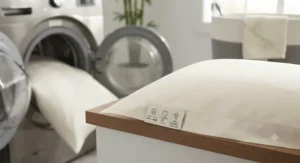
On first use, wash the case once before sleeping on it, even if the packaging looks pristine — this removes manufacturing residue and helps you gauge exactly how much shrinkage to expect for your specific pillow. For ongoing care, wash in cold water (most brands specify below 30°C) on a gentle or delicate cycle, using a mild detergent without added brighteners, which can degrade the fibre’s natural sheen over time. Skip the fabric softener entirely; bamboo fabric doesn’t need it, and softener residue is actually one of the most common causes of the fabric losing its signature slickness. Dry on low heat or line-dry — high heat is the single fastest way to age bamboo viscose prematurely, causing the fibres to become brittle and prone to pilling.
A common first-30-days mistake is tossing a brand-new bamboo pillowcase into a mixed hot-water load with towels or jeans — the abrasion from rougher fabrics accelerates pilling far more than washing it alone would. Another frequent misstep is ironing on a high setting to smooth out sateen wrinkles; use the lowest iron setting available, or better yet, tumble the case on low heat for five minutes to relax wrinkles without direct heat contact. If you’re rotating between two pillowcases (recommended, since it roughly doubles the lifespan of each), wash them separately from your regular bedding rotation to keep the wash temperature consistent and gentle across both.
Real-World Scenarios: Which Bamboo Pillowcase Fits Your Life
The night-sweats commuter. If you’re someone who works long hours, keeps the bedroom warm in winter, and wakes up damp more nights than not, the moisture-wicking edge of a 100% viscose or lyocell case matters more than luxury branding. The Bedsure PureWoven or Cariloha Classic hit the sweet spot of genuine cooling performance without premium pricing — ideal if budget matters and you just need the problem solved.
The allergy-prone household. If someone in your home deals with seasonal allergies, mild asthma, or eczema flare-ups, prioritize certification over price. Bambaw and ettitude’s CleanBamboo line both carry strong chemical-safety certification (OEKO-TEX Standard 100 and Class I respectively), and the natural dust-mite resistance of bamboo fibre is a genuinely useful layer of defence alongside regular hot-water washing of your outer sheets.
The first-time bamboo shopper on a tight budget. If you’re simply curious whether bamboo bedding lives up to the hype and don’t want to commit real money to find out, start with Cosy House Collection or Coop Home Goods. Both let you experience the core benefits — softness and improved breathability — for well under the price of a premium set, and you can always upgrade to a lyocell option later once you know it’s worth it for your sleep style.
Bamboo Pillowcases for Hot Sleepers, Sensitive Skin & Allergies
The hypoallergenic bamboo fabric properties that get marketed so heavily aren’t pure hype, but they deserve a precise explanation rather than a blanket claim. Bamboo viscose and lyocell fibres have a naturally smooth surface with fewer microscopic snags than cotton, which gives dust and pollen less to cling to. More importantly, the fabric’s efficient moisture evaporation keeps the sleeping surface drier than cotton over the course of a night, and dust mites specifically struggle to thrive in low-humidity conditions. That’s a meaningfully different (and more honest) claim than “bamboo repels dust mites,” which overstates what the fibre actually does.
Health Canada’s own guidance on managing household dust and dust mite exposure notes that reducing moisture and using tightly woven, washable barrier fabrics are among the most effective home strategies available, which lines up with why breathable natural fiber options like bamboo get recommended so often by allergists — see Health Canada’s guidance on dust and dust mites for the full breakdown of evidence-based reduction strategies. For anyone managing asthma alongside allergies, it’s also worth pairing a hypoallergenic bamboo pillowcase with the broader indoor-trigger reduction steps outlined by Asthma Canada, since bedding is only one piece of a full allergen-reduction strategy that also includes humidity control and regular hot-water washing of your actual sheets and mattress protector.
If sensitive skin (rather than allergies specifically) is your main concern, look toward the higher-certification options on this list — ettitude’s OEKO-TEX Class I rating is the more relevant credential here than raw softness claims, since Class I testing standards are specifically calibrated for prolonged, direct skin contact.

Sustainable Bedding & Eco-Friendly Claims: Separating Fact From Marketing
This is the section where honesty matters most, because “eco-friendly” and “sustainable bedding” are two of the most loosely applied phrases in the entire bedding industry — and Canadian regulators have taken direct notice. Bamboo does grow quickly and typically requires less water and pesticide than conventional cotton in the field. That part of the sustainability story checks out. What’s murkier is the manufacturing step: turning raw bamboo pulp into viscose fibre is a chemically intensive process, and depending on the mill, the solvents used aren’t always fully recovered in a closed loop.
This distinction is exactly why CBC reported that Canada’s Competition Bureau forced the relabelling of hundreds of thousands of textile items after finding that rayon derived from bamboo was, chemically speaking, no more “natural” than rayon derived from other plant sources like oak or beech — you can read the CBC’s coverage of the bamboo textile labelling crackdown for the full context. In practice, this means a listing that says “100% bamboo” without the word “rayon” or “viscose” attached is technically non-compliant with Canadian labelling rules — a useful red flag to watch for when comparison shopping. It also means that lyocell processing (like ettitude’s CleanBamboo method) genuinely represents a step forward in reducing chemical intensity, rather than just being a marketing upgrade over standard viscose, since it recovers and reuses more of the processing solvent in a closed loop.
The practical guidance: if a brand’s environmental claims matter to your purchase decision, look for specific, substantiated language — closed-loop processing, water-recycling percentages, third-party certification — rather than the word “sustainable” standing alone. Canada’s updated Competition Act guidelines on environmental claims now require exactly that kind of substantiation from businesses marketing here, which is a genuinely useful shift for shoppers trying to sort real sustainable bedding from vague green marketing.
Common Mistakes When Buying a Bamboo Pillowcase
Even seasoned bedding shoppers trip up in a few predictable ways in this category. Mistake one: assuming “bamboo” on the label means 100% raw bamboo fibre — in nearly every case sold in Canada, it’s actually rayon or viscose made from bamboo pulp, which is a different (and chemically processed) material, even though the performance benefits are real. Mistake two: buying based on listed dimensions without accounting for the shrinkage most viscose fabrics undergo after the first wash — order true-to-size or slightly larger if your pillow is already a tight fit. Mistake three: washing bamboo bedding in hot water alongside towels or jeans, which accelerates pilling and fades the fabric’s natural sheen far faster than gentle, cold, separate washing. Mistake four: skipping the certification check entirely — OEKO-TEX Standard 100 (or Class I for the strictest tier) is a meaningful signal of chemical safety testing, and its absence from a listing is worth asking about before buying, especially for children’s bedding. Mistake five: expecting sateen-weave bamboo to resist wrinkles the way twill does — if a crisp, unwrinkled look matters more to you than maximum softness, a twill weave like Cariloha Classic or Bedsure PureWoven will serve you better than a glossy sateen finish.
Long-Term Cost & Maintenance: Is Bamboo Worth It?
Run the numbers over a two-to-three-year ownership window, and bamboo pillowcases generally hold up reasonably well against cheap cotton alternatives, provided you follow the cold-wash, low-heat-dry care routine outlined earlier. A budget cotton case might cost less upfront, but frequent hot-water washing (often necessary to manage allergens or simply keep white cotton looking fresh) tends to wear cotton fibres down faster than bamboo’s cold-wash routine wears down viscose or lyocell. Factor in that most of the brands featured here — Cariloha and ettitude in particular — back their products with extended sleep trials (100 nights and 60 nights respectively), which meaningfully reduces the financial risk of trying a premium option and not loving it.
The real total-cost-of-ownership variable is how carefully you follow the care instructions. A well-maintained bamboo pillowcase, washed cold and dried low, can reasonably last several years without significant pilling or fading. Neglect the wash guidance — hot water, harsh detergent, high-heat drying — and even a premium lyocell case can degrade within a single year, which is arguably the single biggest factor separating buyers who feel bamboo bedding was “worth it” from those who don’t.
Frequently Asked Questions
❓ Is a bamboo pillowcase actually made of real bamboo?
❓ Are bamboo pillowcases good for hot sleepers?
❓ How long do bamboo pillowcases typically last?
❓ Do bamboo pillowcases help with acne or skin sensitivity?
❓ Is bamboo bedding actually eco-friendly?
Conclusion
A good bamboo pillowcase earns its reputation honestly: real moisture-wicking performance, a genuinely softer hand-feel than most cotton, and a naturally hypoallergenic surface that’s especially useful for hot sleepers and allergy-prone households. What it isn’t is a magic fix, and it isn’t automatically the eco-friendly slam dunk the word “bamboo” implies on its own — the fibre-processing method matters as much as the plant source, and Canadian labelling rules exist specifically because that distinction kept getting blurred in marketing.
If you want the lowest-risk starting point, Cosy House Collection or Coop Home Goods let you try the category affordably. If you’re chasing the best overall balance of softness and durability, Cariloha Classic is hard to beat. And if chemical processing and skin sensitivity are genuinely top of mind, ettitude’s CleanBamboo lyocell line is the most defensible premium pick on this list. Whichever you choose, the cold-wash, low-heat-dry routine outlined above is what actually determines whether you get two years of great sleep out of it or six disappointing months.
Recommended for You
- Satin vs Silk Pillowcase: 7 Picks Canadians Love in 2026
- Silk Pillowcase for Hair and Skin: 7 Real Picks for 2026
- 7 Best Pillowcase for Acne Prone Skin Picks (2026 Canada Guide)
Disclaimer: This article contains affiliate links. As an Amazon Associate, I earn from qualifying purchases. If you purchase products through these links, we may earn a small commission at no additional cost to you.
✨ Found this helpful? Share it with your friends! 💬🤗
