
In This Article
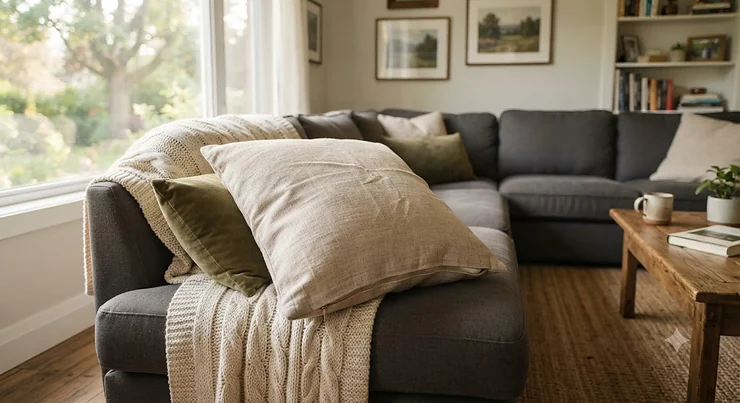
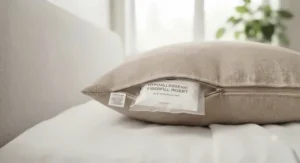
A pillow with removable cover is exactly what it sounds like: a bed pillow built with an outer shell that unzips separately from the fill inside, so you can wash the part touching your face without wrestling an entire memory foam brick into your washing machine. It’s a small design detail that solves a genuinely annoying problem — pillows collect sweat, drool, dead skin, and dust mite droppings faster than almost anything else in the bedroom, and most of us have no idea how to clean them properly.
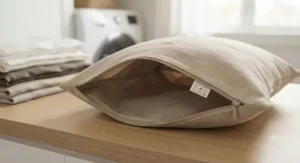
Here in Canada, where winters mean sealed-up homes, forced-air heating, and months of recirculated indoor air, that hygiene question matters more than it might in a breezier climate. Damp basements on the coasts and dry, static-prone air on the Prairies both create their own bedding headaches. Whether you’re chasing better allergy control, just tired of a pillow that smells “off” by month three, or shopping for a zippered washable pillow cover review before you commit, this guide breaks down seven real, currently available options — spanning bargain encasements to premium adjustable foam pillows — along with the honest trade-offs of each.
We researched actual product specs, aggregated review themes, and Canadian health guidance — including Health Canada’s dust mite prevention advice, which specifically recommends encasing pillows in mite-impermeable covers — so you’re not just getting a rehashed spec sheet. Every product mention below includes our own analysis of who it’s actually good for, not just a features list.
Quick Comparison Table
| Product | Cover Type | Price Range (CAD) | Best For |
|---|---|---|---|
| Coop Sleep Goods Original Adjustable Pillow | Removable bamboo-rayon blend | C$70–C$95 | All-around adjustable comfort |
| Snuggle-Pedic Adjustable Shredded Foam Pillow | Removable Kool-Flow bamboo | C$60–C$85 | Hot sleepers wanting cooling |
| Xtreme Comforts Shredded Memory Foam Pillow | Removable Kool-Flow knit | C$45–C$65 | Budget-conscious adjustable fans |
| Cosy House Collection Luxury Bamboo Pillow | Removable, adjustable fill | C$65–C$95 | Premium loft customization |
| National Allergy 100% Cotton Zippered Protector | Removable cotton encasement | C$25–C$45 (2-pack) | Allergy and dust mite control |
| Utopia Bedding Zippered Pillow Protectors | Removable microfiber | C$20–C$35 (4-pack) | Everyday budget protection |
| Beckham Hotel Collection Zippered Protector | Removable breathable cotton | C$25–C$38 (2-pack) | Pairing with existing pillows |
Looking at the spread above, the cheapest route to hygiene isn’t a new pillow at all — it’s layering a zippered protector over the pillow you already own, which is why the two encasement-style products sit at the bottom of the price scale. The adjustable foam pillows cost more up front, but since removable cover convenience is that Coop and Snuggle-Pedic overlap heavily on materials, price is really the deciding factor between them. If dust mite allergies are your main concern rather than comfort tuning, the National Allergy option earns its spot for pure barrier performance rather than plushness.
💬 Just one click — help others make better buying decisions too!😊
Top 7 Pillows and Covers With Removable Covers: Expert Analysis
1. Coop Sleep Goods Original Adjustable Pillow — best all-around adjustable comfort
Coop’s Original pillow expands on the classic idea of a pillow with removable cover by pairing an adjustable memory-foam-and-microfiber fill with a Lulltra bamboo-rayon outer shell that unzips completely for washing. The cross-cut foam fill means you can scoop out or add material to dial in loft, which matters more than it sounds — most complaints about “wrong” pillows come down to height, not softness. Based on the spec comparison with flat, sealed foam pillows, the adjustability here is the real differentiator, not the fabric itself, though the bamboo-rayon blend does help with breathability on warmer nights.
Independent reviewers who’ve taken this pillow apart confirm there’s a separate polyester inner liner holding the shredded foam in place beneath the outer cover, so you’re actually dealing with two washable layers, not one. Reviewers consistently note that the pillow needs a day or two of airing out to lose a faint off-gassing smell after unboxing, which is standard for compressed foam products and not a defect. Side and back sleepers seem to get the most consistent praise, while some combination sleepers report needing to fluff or re-adjust fill fairly often to keep loft consistent through the night.
Pros:
- ✅ Fully adjustable loft for custom firmness
- ✅ Removable cover plus washable inner liner
- ✅ Backed by a multi-year manufacturer warranty
Cons:
- ❌ Initial off-gassing smell needs airing out
- ❌ Requires occasional manual fluffing to maintain shape
Priced in the C$70–C$95 range depending on size, this sits at fair value for a pillow you can genuinely tune to your own head and neck rather than hoping the firmness happens to match.

2. Snuggle-Pedic Adjustable Shredded Memory Foam Pillow — best for hot sleepers wanting cooling
Snuggle-Pedic’s adjustable pillow uses the same shredded-foam logic as Coop’s, but leans harder into temperature regulation with its trademarked Kool-Flow bamboo-blend cover, which is ventilated to move air through the fill rather than trap it against your head. What most buyers overlook about shredded foam in general is that airflow between the foam pieces — not just the fabric on top — is what actually keeps it cooler than solid memory foam, and Snuggle-Pedic’s marketing leans on that correctly.
The brand itself is upfront that the removable cover is machine washable while the foam core inside is meant for spot cleaning rather than full machine washing, which is a distinction worth knowing before laundry day. Aggregated reviewer sentiment is largely positive on cooling performance and pressure relief for side sleepers, with a recurring theme that the shredded foam clumps somewhat during adjustment and takes a bit of patience to redistribute evenly.
Pros:
- ✅ Genuinely cooler than solid foam thanks to airflow design
- ✅ Removable, machine-washable bamboo-blend cover
- ✅ CertiPUR-US certified foam for lower chemical emissions
Cons:
- ❌ Foam can clump and needs manual redistribution
- ❌ Only the cover is machine washable, not the loose fill
At around C$60–C$85, it undercuts Coop slightly while matching most of the comfort benefits, making it a strong pick for anyone whose main complaint about foam pillows has always been overheating.
3. Xtreme Comforts Shredded Memory Foam Pillow — best budget adjustable pick
Xtreme Comforts occupies the value tier of adjustable shredded-foam pillows without cutting the two features that matter most for hygiene: a genuinely removable cover and a separate zip-open inner liner. Product reviewers who’ve examined the construction describe the bamboo outer cover as fully removable and machine washable, with a thin, soft inner liner that’s also washable on its own, helping keep the sleep surface hygienic between deeper cleans. On paper this means you’re getting a two-layer washable system at a price point closer to what you’d pay for a single non-adjustable pillow elsewhere.
Here’s what to weigh: GreenGuard Gold certification on the foam is a genuine plus for indoor air quality, particularly relevant in Canadian homes that stay sealed for months during winter heating season. Reviewer sentiment is mixed on firmness, with some finding it excellent for stomach sleepers who want a lower profile and others finding the stock fill too firm out of the bag — though the adjustable design means that’s a five-minute fix rather than a return.
Pros:
- ✅ Two washable layers (liner and outer cover) at a low price
- ✅ GreenGuard Gold certified for low chemical off-gassing
- ✅ Adjustable fill suits multiple sleep positions
Cons:
- ❌ Firmness out of the box runs inconsistent between units
- ❌ Bamboo cover fabric feels thinner than premium competitors
Sitting in the C$45–C$65 range, this is the pillow to buy if you want the adjustable-and-washable concept without paying premium-brand pricing for it.
4. Cosy House Collection Luxury Bamboo Shredded Memory Foam Pillow — best for premium loft customization
Moving up-market, Cosy House Collection’s pillow targets buyers who want hotel-plush volume with the same removable-cover practicality as the budget options. The pillow uses a densely packed shredded foam fill under a zippered, adjustable, removable bamboo-derived rayon cover, and the higher fill density is the main thing separating it from cheaper alternatives — it holds loft longer under nightly compression rather than flattening within a few months.
Reviewers consistently frame this as a “set it and mostly forget it” pillow once the initial loft is dialed in, since the denser fill resists the clumping some cheaper shredded-foam pillows develop. The spec sheet won’t tell you this, but user reports suggest the higher fill volume also makes the pillow noticeably heavier to handle during washing, so factor dryer capacity into your decision if you have a compact apartment-sized machine.
Pros:
- ✅ Denser fill holds loft longer than budget shredded-foam models
- ✅ Fully adjustable and removable cover system
- ✅ Comfortable across side, back, and stomach positions
Cons:
- ❌ Heavier and bulkier during wash-and-dry cycles
- ❌ Premium pricing narrows the value gap versus Coop and Snuggle-Pedic
Expect to pay in the C$65–C$95 range, positioning it as a genuine premium alternative rather than a marginal upgrade.
5. National Allergy Premium 100% Cotton Zippered Pillow Protector — best for allergy and dust mite control
This is where the article shifts from “pillows with removable covers” to “covers you add to a pillow you already own” — and for allergy sufferers specifically, that distinction barely matters, because the protective function is nearly identical. The fabric here is a tightly woven 100% cotton barrier designed to stop allergens from passing through, paired with a two-part zipper-lock system that closes gap-free against dust mites and bed bugs. Reviewers and allergists alike treat this style of encasement as one of the most evidence-backed, low-effort interventions for dust mite sensitivity, a view echoed in CBC News coverage of managing allergy triggers, where allergists specifically call out dust mite exposure as a controllable household factor.
Where this product earns its “encasement” label rather than just “protector” is the six-sided, zip-locking design that fully seals the pillow, versus fitted covers that leave gaps. The trade-off is texture: cotton barrier fabric has a tighter weave than a normal pillowcase, and a handful of aggregated reviews describe it as slightly stiffer initially, though most report the crisp feel softening after a few wash cycles.
Pros:
- ✅ Independently marketed barrier fabric, doctor-recommended design
- ✅ Auto-locking zipper prevents allergen gaps
- ✅ Fully machine washable, no vinyl or plastic barrier smell
Cons:
- ❌ Noticeably stiffer texture than a standard pillowcase at first
- ❌ Doesn’t add cushioning or comfort — purely protective
At C$25–C$45 for a two-pack, this is genuinely inexpensive insurance against a real, well-documented household allergen, especially if anyone in the home has diagnosed asthma or dust mite sensitivity.
6. Utopia Bedding Zippered Pillow Protectors (4-Pack) — best value everyday protection
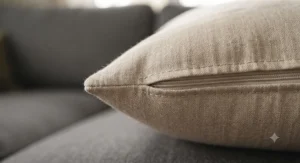
For buyers who just want a reliable, no-frills replaceable pillowcase liner solution rather than an allergy-medical-grade encasement, Utopia Bedding’s basic zippered protector set covers the fundamentals: an auto-lock zipper, breathable microfiber construction, and machine-washable fabric, sold in a four-pack that makes rotation easy. The four-pack format is the real value driver here — with two protectors in the wash and two in use at any time, you never end up sleeping on a bare pillow while waiting on laundry.
Aggregated customer sentiment tends to focus on the price-to-quantity ratio rather than luxury feel, which tracks with what this product is designed to be. It’s not marketed as a medical-grade barrier fabric the way the National Allergy option is, so buyers with diagnosed dust mite allergies should treat this as general hygiene protection rather than a clinical intervention.
Pros:
- ✅ Four-pack makes rotation and laundering effortless
- ✅ Breathable microfiber keeps a cool, quiet feel overnight
- ✅ Genuinely budget-friendly for the quantity included
Cons:
- ❌ Not marketed as a dust-mite-allergen barrier fabric
- ❌ Microfiber lacks the natural breathability of cotton
Typically found in the C$20–C$35 range for the full set, this is the pick for anyone whose main goal is simply “keep my pillow clean without buying a new one every year.”
7. Beckham Hotel Collection Pillow Protector With Zipper — best for pairing with an existing pillow
Rounding out the list, Beckham Hotel Collection’s own zippered protector line targets a slightly different buyer than their better-known down-alternative pillows (which, worth noting honestly, do not actually have a removable cover — the whole pillow goes in the wash as a single unit). This standalone protector, by contrast, is a soft, breathable cotton pillow cover designed to sit under any standard pillowcase, adding a washable buffer layer that most decorative pillowcases don’t provide on their own.
Reviewers who already own Beckham’s core pillow line often pick this up as a companion product rather than a first purchase, largely because the brand recognition creates an easy add-on decision. The cotton blend leans soft rather than clinically tight-woven, so it functions better as a general hygiene layer than as a dust-mite barrier in the medical sense — a distinction worth understanding before assuming any zippered cover offers allergy-grade protection.
Pros:
- ✅ Soft, breathable cotton feels closer to a pillowcase than a barrier
- ✅ Easy zipper closure for quick removal and laundering
- ✅ Recognizable brand with accessible customer support
Cons:
- ❌ Not woven tightly enough for true dust-mite-allergen blocking
- ❌ Slightly pricier than generic zippered protectors of similar function
Priced around C$25–C$38 for a two-pack, it’s a reasonable convenience buy, though allergy-focused shoppers should look to the National Allergy option instead for genuine barrier performance.
Practical Usage Guide: Cover-Only Laundering and Maintenance
Getting the hygiene benefit out of any pillow with removable cover depends entirely on doing the laundering correctly, and this is the part most product listings skip entirely. Cover-only laundering means separating the removable outer shell from the inner pillow or liner before washing — never toss the whole assembled pillow into the machine unless the manufacturer specifically says the entire unit is machine-safe, since foam fill can shift, clump, or tear inside a spinning drum.
Start by unzipping the outer cover and, if your pillow has one, the secondary inner liner as well. Wash the outer cover in cold water on a delicate or gentle cycle, skip fabric softener and bleach (both degrade the elastic fibres in stretch-knit covers), and tumble dry on low. If there’s an inner liner holding loose shredded foam, many manufacturers recommend leaving that liner sealed and washing it far less often than the outer cover — annually rather than weekly — since repeated washing accelerates foam breakdown. During the first 30 days of ownership, resist the urge to wash the cover too aggressively; let the pillow fully expand and off-gas for 24–48 hours first, since compressed shipping can leave temporary odours that dissipate on their own.
A common first-month mistake is drying covers on high heat to speed things up, which shrinks stretch-knit bamboo and microfiber blends over just a few cycles. Another is skipping the zipper-lock check before washing — an unsecured zipper can catch fabric or let foam escape mid-cycle. Set a recurring reminder to wash outer covers every one to two weeks alongside your regular pillowcases, and treat the inner liner wash as a once- or twice-a-year deep-clean task instead.
Liner Swap Convenience: Rotating Covers Without Buying a New Pillow
One underrated advantage of buying a pillow with a genuinely separable liner-and-cover system is that you can extend the usable life of the pillow well beyond what a sealed, non-removable design allows. Liner swap convenience refers to the ability to keep the inner foam or fill liner in service for years while cycling through multiple outer covers — buying a spare cover or two effectively doubles how long you can go between full washing sessions, since you’re never left without a usable pillow while one cover dries.
This matters more than it sounds for households with kids, pets, or anyone prone to night sweats, where a single cover simply can’t keep pace with how often it needs washing. If you’re a college student commuting to shared dorm laundry on a fixed schedule, or a parent dealing with a child’s frequent nighttime accidents, owning two covers for one pillow means you’re never stuck sleeping on a damp or unwashed surface. Practically, this means checking whether replacement covers are sold separately before buying — Coop, Snuggle-Pedic, and Cosy House Collection all sell extra covers individually, while most protector-style products like Utopia Bedding and National Allergy are sold in multi-packs specifically so rotation is built in from the start.
Real-World Scenarios: Who Actually Needs a Removable Cover
Consider three different buyer profiles to see how the seven products above map onto actual needs rather than abstract specs. A university student living in a shared dorm with limited laundry access and a tight budget is best served by something like the Xtreme Comforts pillow or a basic Utopia Bedding protector set — cheap, machine washable, and forgiving of infrequent laundry schedules. A parent of young children dealing with frequent spills, drool, and the occasional nighttime accident benefits most from a multi-pack protector system layered under a comfort pillow, since the priority is rapid rotation over plushness.
A third profile — someone managing diagnosed dust mite allergies or mild asthma, particularly in a humid coastal city where mite populations run higher — should prioritize the National Allergy cotton encasement over anything marketed primarily for comfort. And for a hot sleeper in a condo with limited air conditioning during a Prairie or Ontario summer, the Snuggle-Pedic or Cosy House Collection pillow’s airflow-focused cover design solves a genuinely different problem than allergy control does. Matching the buyer type to the pillow’s actual strength, rather than defaulting to whichever has the most five-star reviews, is the real decision-making shortcut here.
How to Choose a Pillow With Removable Cover
- Confirm the cover is genuinely removable, not just “washable.” Some listings use these terms loosely — a whole-pillow-washable design (like Beckham’s core pillow line) is not the same as a true removable, separately zippered cover.
- Check whether there’s a separate inner liner. A two-layer washable system (outer cover plus liner) offers more hygiene flexibility than a single-layer design.
- Match fabric to your priority. Bamboo-rayon blends lean toward cooling and softness; tightly woven cotton leans toward allergen-blocking; microfiber sits in the middle on cost and comfort.
- Decide if you need adjustable fill or a fixed pillow. Adjustable shredded foam lets you fine-tune loft; fixed-fill pillows are simpler but less forgiving if the firmness is wrong.
- Look for third-party certifications. CertiPUR-US and GreenGuard Gold indicate lower chemical emissions, which matters more in sealed, well-insulated Canadian homes during heating season.
- Buy spare covers if longevity matters to you. Confirm the brand sells replacement covers separately before assuming you can rotate long-term.
- Match your budget tier honestly. Encasement-style protectors solve hygiene cheaply; adjustable foam pillows solve comfort and hygiene together, at a real price premium.
Common Mistakes When Buying a Pillow With Removable Cover
A recurring pitfall is assuming “machine washable” automatically means the same thing as “removable cover” — plenty of listings use the phrase to describe whole-pillow washing, which is a far more tedious process and harder on foam fill than washing a separate zippered shell. Another common mistake is ignoring liner-wash frequency guidance and washing the inner foam liner as often as the outer cover, which accelerates foam breakdown and shortens the pillow’s usable lifespan considerably faster than manufacturers intend.
Buyers also frequently overlook zipper quality, assuming any zipper offers equal protection — auto-locking zippers used in allergen-barrier products like National Allergy’s line are specifically engineered to prevent backtracking gaps, while a standard garment-style zipper on a decorative cover offers no such guarantee. Finally, many shoppers skip checking whether replacement covers are sold separately until after the original cover wears out, at which point they discover the only option is buying an entirely new pillow — a detail worth confirming at purchase time, not afterward.
Features That Actually Matter: Breathable Cotton, Zippers, and Encasement Protection
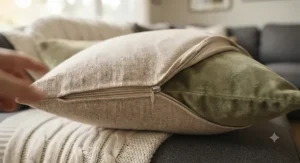
Marketing copy on pillow covers tends to pile on buzzwords, so it’s worth separating what genuinely affects your sleep from what’s mostly packaging language. A breathable cotton pillow cover — tightly woven but still air-permeable — genuinely regulates temperature and moisture better than plastic-backed alternatives, which is why barrier fabric woven tightly enough that only air passes through is the gold standard for allergy-grade encasement rather than laminated vinyl. The Asthma Society of Canada’s dust mite control guidance specifically recommends breathable rather than plastic covers, since plastic barriers trap heat and moisture uncomfortably. Zipper quality matters more than most buyers assume: auto-locking, gap-free zippers are the mechanical detail separating a true dust-mite-proof encasement from a merely “zippered” cover that still leaves entry points.
What doesn’t matter nearly as much as marketing suggests: thread count claims above roughly 300, since diminishing softness returns kick in fast on cotton pillow protector fabric, and cooling-gel infusions in budget shredded foam, which mostly affect marketing photography more than measurable temperature. Encasement protection — meaning full six-sided sealing rather than a loose-fitting sham — is the single feature most worth paying for if allergy control, rather than comfort, is your actual goal, since a partial cover leaves the same allergen exposure a full encasement is designed to eliminate.
Dust Mite and Allergy Encasement Protection: Safety and Regulations Guide
For Canadian households dealing with allergies or asthma, encasement protection isn’t just a marketing term — it’s a documented intervention. Health Canada’s healthy home guide specifically recommends using mattress and pillow covers alongside regular vacuuming with HEPA filtration and washing bedding weekly. This guidance lines up with what allergists have said about managing seasonal and year-round allergy triggers more broadly, where changing sheets and pillowcases often and reducing household clutter are recommended alongside HEPA-filtered air cleaners and vacuums in the bedroom specifically.
Practically, this means a genuine dust-mite encasement — fully sealed, auto-locking zipper, tightly woven barrier fabric — offers measurable value beyond general tidiness, particularly for the roughly one in five Canadians affected by respiratory allergies. It’s not a substitute for medical treatment if you’ve been diagnosed with a dust mite allergy, but as a low-cost, no-medication first step, it’s consistent with public health guidance rather than an invented benefit. Regularly washing outer covers, keeping bedroom humidity in a healthy range, and choosing barrier fabric over decorative fabric for anyone with diagnosed sensitivities are all steps grounded in that same guidance rather than product-marketing claims.
Zippered Washable Pillow Cover Reviews: What Real Buyers Say
Looking across aggregated customer feedback for zippered washable pillow covers as a category, a few consistent themes emerge regardless of brand. Reviewers overwhelmingly cite ease of laundering as the top reported benefit, specifically the ability to wash a cover weekly without dealing with an entire bulky pillow in a home-sized washer. The second most common theme is a “gets better after the first wash” pattern, where initial stiffness — especially in tightly woven cotton barrier fabrics — softens noticeably within two or three laundry cycles, something worth knowing before assuming a first impression is final.
On the negative side, the most frequent complaint across budget-tier zippered covers is zipper durability over time, particularly with heavy or frequent washing, which is why premium allergy-grade products invest specifically in reinforced zipper mechanisms. A smaller but recurring complaint involves sizing mismatches between covers and pillows, since “standard” sizing varies slightly between manufacturers — a detail worth double-checking against your actual pillow’s dimensions before ordering rather than assuming universal fit.
Replaceable Pillowcase Liners on Amazon: Are They Worth Buying Separately?
If you already own a comfortable pillow and just want the hygiene benefit of a removable system, buying a replaceable pillowcase liner separately rather than replacing the whole pillow is often the more cost-effective route. Several of the brands featured above — Coop, Snuggle-Pedic, Cosy House Collection, and Xtreme Comforts among them — sell standalone replacement covers designed to fit their specific pillow models, which extends the pillow’s usable life well past when a single cover would otherwise wear out.
The math generally favours this approach: a standalone replacement liner or cover typically costs a fraction of a full new pillow, so buying two spare covers for rotation purposes is almost always cheaper than replacing an entire adjustable foam pillow every year or two. The one caveat worth flagging honestly is fit — generic zippered protectors aren’t always cut to match a specific brand’s proprietary pillow shape, so when buying a replacement liner separately, sticking with the same manufacturer’s official cover avoids sizing headaches down the line.
Long-Term Cost and Maintenance
Thinking in terms of total cost of ownership rather than sticker price changes the value equation considerably. A C$25 zippered protector paired with an existing pillow, replaced roughly every 18–24 months of regular washing, works out to well under C$15 per year in ongoing cost. An adjustable foam pillow in the C$70–C$95 range, by contrast, typically lasts three to five years with proper care and occasional fill top-ups, which puts its annualized cost in a broadly similar range once you account for not needing to buy a new pillow as frequently.
Where the math shifts meaningfully is maintenance effort: adjustable foam pillows require periodic manual fluffing and occasional liner washing on top of regular cover washing, while simple protector-and-pillowcase combinations require almost no attention beyond routine laundry. If your priority is minimizing hands-on maintenance rather than minimizing dollars spent, a straightforward protector over a pillow you already like will usually beat an adjustable foam system on convenience, even if the sticker price comparison looks similar.
Frequently Asked Questions
❓ What is a pillow with removable cover?
❓ Can you wash the whole pillow instead of just the cover?
❓ How often should you wash a removable pillow cover?
❓ Do zippered pillow covers actually block dust mites?
❓ Are replacement covers sold separately from the pillow?
Conclusion
A pillow with removable cover solves a problem most people don’t think about until their pillow starts smelling faintly off or an allergist mentions dust mites during an appointment. The seven products above cover the realistic range of what’s available on amazon.ca right now, from simple cotton encasements that layer over a pillow you already own to fully adjustable foam pillows built around the removable-cover concept from the ground up. None of them are universally “best” — the right choice depends on whether you’re solving for allergy control, temperature regulation, budget, or simple laundry convenience.
What matters most, based on the spec comparison and aggregated review patterns across all seven picks, is being honest about which problem you’re actually trying to solve before you buy. An allergy sufferer doesn’t need a plush adjustable foam pillow; they need a tightly woven, auto-locking encasement. A hot sleeper doesn’t need medical-grade barrier fabric; they need airflow-optimized cover design. Match the product to the actual need, check the current price and availability on amazon.ca, and confirm replacement covers are sold separately if long-term rotation matters to you.
✨ Don’t Miss These Exclusive Deals!
🔍 Take your sleep setup to the next level with these carefully selected pillow and pillow cover picks. Click on any highlighted item to check current pricing and availability. These choices can help you build a cleaner, more comfortable bedroom your whole household will appreciate!
Recommended for You
- 7 Best Fully Washable Pillow Picks for Canadian Sleepers (2026)
- Best Machine Washable Pillow Canada 2026: 7 Hypoallergenic Picks
- Best Supportive Pillow for Side Sleepers 2026: Top 7 Canada Picks
Disclaimer: This article contains affiliate links. As an Amazon Associate, I earn from qualifying purchases. If you purchase products through these links, we may earn a small commission at no additional cost to you.
✨ Found this helpful? Share it with your friends! 💬🤗
