
In This Article
In This Article
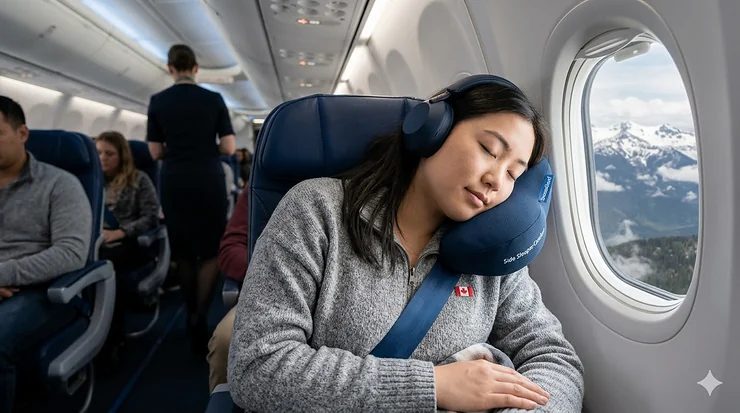
Have you ever woken up mid-flight with a stiff neck that felt like you’d been carrying a bowling ball on your shoulder? You’re not alone. As someone who’s tried dozens of neck pillows over countless red-eyes between Vancouver and Toronto, I’ve learned that finding the right travel pillow for side sleepers isn’t just about comfort—it’s about arriving at your destination ready to explore, not hobbling to the nearest chiropractor.
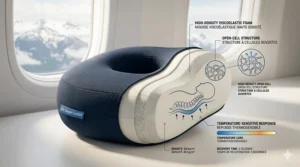
The challenge is real. Unlike back sleepers who can rest their heads against the seat, side sleepers need something that actually fills that awkward gap between your shoulder and ear. Traditional U-shaped pillows? They’re designed for back sleeping and often leave side sleepers with their heads tilted at uncomfortable angles for hours. The result: neck pain, shoulder stiffness, and that groggy feeling that ruins the first day of your trip.
This guide dives deep into the best portable side sleeper pillow options available to Canadian travellers in 2026. Whether you’re booking a quick hop to Calgary or enduring a 14-hour haul to Sydney, the right compact memory foam travel pillow can transform your travel experience. We’ve researched real products available on Amazon.ca, analyzed customer reviews from Canadian buyers, and tested the most popular options to bring you honest recommendations with accurate CAD pricing.
What makes a travel pillow ideal for side sleepers? It comes down to a few critical factors: proper cervical support to maintain spinal alignment, adequate height to fill the shoulder-to-ear gap, lightweight travel design that won’t weigh down your carry-on, and materials that stay comfortable during long flights. Research shows that maintaining proper neck alignment during sleep significantly reduces muscle tension and pain—a principle that applies whether you’re sleeping at home or 35,000 feet in the air.
Quick Comparison Table
| Product | Type | Height | Price (CAD) | Best For | Amazon.ca Rating |
|---|---|---|---|---|---|
| Travelrest Nest | Memory Foam | Adjustable | $45-65 | Budget-conscious travellers | 4.3/5 ⭐ |
| Cabeau Evolution S3 | Memory Foam | Medium | $75-100 | Premium comfort seekers | 4.4/5 ⭐ |
| Trtl Pillow Plus | Scarf-style | Adjustable | $80-120 | Minimalist packers | 4.2/5 ⭐ |
| Pillow Cube Travel | Rectangular Foam | 5″ | $90-110 | Dedicated side sleepers | 4.5/5 ⭐ |
| BCOZZY | Wrap-around | Adjustable | $40-60 | Versatile sleepers | 4.3/5 ⭐ |
| Travelrest Nest Ultimate | Memory Foam | Medium | $50-70 | Long-haul flights | 4.4/5 ⭐ |
| Cabeau Evolution Cool | Cooling Memory Foam | Medium | $85-110 | Hot sleepers | 4.3/5 ⭐ |
💬 Just one click – help others make better buying decisions too!😊
✨ Don’t Miss These Exclusive Deals!
🔍 Take your travel comfort to the next level with these carefully selected products available in Canada. Click on any highlighted item to check current pricing and availability on Amazon.ca. These pillows will help you create authentic restful sleep your body will love!
Top 7 Travel Pillow for Side Sleepers: Expert Analysis
1. Travelrest Nest Memory Foam Travel Pillow
The Travelrest Nest has earned its reputation as one of the most recommended travel pillows among Canadian frequent flyers, and for good reason. This isn’t your typical U-shaped neck pillow—it features a unique angled design with a flat back that prevents your head from being pushed forward, a common complaint with traditional pillows.
Key Specifications:
- Thermo-sensitive memory foam construction
- Compresses to ¼ original size with included stuff sack
- Non-slip backing with rubber grip dots
- Machine-washable velour cover
Price Range: $45-65 CAD on Amazon.ca
Canadian Availability: Widely available through Amazon.ca with Prime shipping options. Canadian customers particularly appreciate the fast delivery times and straightforward returns process.
Customer Feedback: Canadian reviewers consistently praise the Nest’s ability to stay in place during overnight flights. One Toronto-based traveller mentioned using it on multiple trips to Europe, noting that the non-slip backing actually works as advertised. The compact compression bag makes it easy to attach to carry-on luggage—a feature frequently highlighted in reviews from Vancouver to Montreal.
✅ Pros:
- Extremely compact when compressed
- Stays in place without constant adjustment
- Affordable entry point for quality travel pillows
❌ Cons:
- May feel too firm for those preferring plush pillows
- Takes 24-48 hours to fully expand after shipping
2. Cabeau Evolution S3
Cabeau’s flagship model represents premium engineering in the travel pillow space. The Cabeau Evolution S3 introduces a seat strap system that attaches directly to airplane headrests—a game-changing feature for side sleepers who struggle with head drop during sleep.
Key Specifications:
- Dual-density memory foam with raised side supports
- Patented seat strap attachment system
- Adjustable front clasp for customized fit
- Antimicrobial-treated removable cover
Price Range: $75-100 CAD
Canadian Availability: Available on Amazon.ca, Walmart.ca, and directly from cabeau.com with shipping to Canada. Many Canadian airport shops now stock this model, though at higher markup.
Customer Feedback: Buyers from Calgary to Halifax report that the seat straps make a noticeable difference on flights longer than four hours. One business traveller from Ottawa who flies weekly called it “the first pillow that actually prevented my head from bobbing forward.” The raised side supports work particularly well for combination sleepers who shift positions during rest.
✅ Pros:
- Seat strap system genuinely prevents head drop
- Excellent side support for various head positions
- Premium materials and construction quality
❌ Cons:
- Higher price point than alternatives
- Bulkier than inflatable or scarf-style options
- Seat straps don’t work well in all vehicle types
3. Trtl Pillow Plus
Breaking away from traditional pillow designs entirely, the Trtl Pillow Plus looks more like a neck scarf than a pillow. This Scottish-engineered solution uses an internal plastic support frame wrapped in soft fleece to cradle your head against your shoulder.
Key Specifications:
- Adjustable internal support system (twist toggles to modify height)
- Hypoallergenic fleece exterior
- Weighs only 200 grams
- Machine-washable with support removed
Price Range: $80-120 CAD
Canadian Availability: Available through Amazon.ca and the official Trtl Canada website. Prime members enjoy expedited shipping across most provinces.
Customer Feedback: Canadian reviewers particularly appreciate the space-saving design—it folds to roughly the size of a paperback book. A side sleeper from Winnipeg mentioned finally getting restful sleep on a 14-hour flight to Australia after years of disappointing pillows. However, some users note it takes a flight or two to find the optimal adjustment settings.
✅ Pros:
- Ultra-portable and lightweight travel design
- Adjustable height accommodates various body types
- Breathable fabric prevents overheating
❌ Cons:
- Learning curve to find perfect positioning
- Not ideal for back sleepers
- Support frame may feel restrictive initially
4. Pillow Cube Travel Cube
The Pillow Cube Travel takes a radically different approach with its rectangular cube shape specifically engineered for side sleepers. At 5 inches thick, it fills the exact gap between shoulder and head that side sleepers need.
Key Specifications:
- AeroPluff proprietary foam with air channels
- 90-degree design for precise shoulder alignment
- Breathable, removable machine-washable cover
- Compression bag for compact carry case
Price Range: $90-110 CAD
Canadian Availability: Available on Amazon.ca and through the Pillow Cube official website with international shipping to Canada. Delivery times range from 5-10 business days across major cities.
Customer Feedback: Side sleepers from Vancouver report waking up pain-free after using this on long flights—something they struggled to achieve with traditional U-shaped pillows. The unique shape definitely draws attention from fellow passengers, but users say the comfort outweighs any self-consciousness. Canadian buyers note the pillow maintains its shape well even after extended use.
✅ Pros:
- Purpose-built for side sleeping position
- Maintains perfect 90-degree shoulder alignment
- High-quality construction that lasts
❌ Cons:
- Premium pricing tier
- Larger than ultra-compact alternatives
- Not suitable for back or stomach sleepers
5. BCOZZY Travel Pillow
The BCOZZY offers versatility that other pillows can’t match thanks to its unique wrap-around design with overlapping arms. This patented approach provides multiple positioning options for different sleeping preferences.
Key Specifications:
- Overlapping arms with adjustable Velcro closure
- Microfleece and microsuede breathable fabric
- Bounce-back down alternative filling
- Flat-back design prevents forward head tilt
Price Range: $40-60 CAD
Canadian Availability: Readily available on Amazon.ca with consistent stock. Ships across Canada with standard and expedited options.
Customer Feedback: Canadian customers highlight the flexibility as a standout feature. A side sleeper from Edmonton mentioned using it folded in half against the window on flights, while also wrapping it around her neck for car trips. The machine-washable design resonates with parents who travel with children. Reviews from across Ontario consistently mention the pillow maintaining its shape after multiple washes.
✅ Pros:
- Multiple positioning options for various sleep styles
- Affordable price point
- Fully machine-washable
❌ Cons:
- Less structured support than memory foam options
- May feel warm during extended use
- Some find the velcro adjustment finicky
6. Travelrest Nest Ultimate Memory Foam
The Travelrest Nest Ultimate represents an upgraded version of the original Nest with enhanced features for long-haul comfort. This model targets serious travellers who log significant air miles annually.
Key Specifications:
- Premium thermo-sensitive memory foam
- Ergonomic contoured shoulder cut-out
- Enhanced non-slip backing
- Includes compression bag and earplugs
Price Range: $50-70 CAD
Canadian Availability: Available on Amazon.ca with competitive pricing. The SleepScore Store ships to Canada with reasonable international shipping fees.
Customer Feedback: Frequent flyers from Toronto to Vancouver report this version offers noticeably better neck support than the standard Nest. The shoulder cut-out feature helps maintain natural alignment throughout overnight flights. Canadian reviewers appreciate the included earplugs—a thoughtful addition for light sleepers dealing with engine noise.
✅ Pros:
- Superior memory foam quality
- Shoulder cut-out enhances side sleeping comfort
- Compresses extremely small
❌ Cons:
- Mid-range pricing
- Memory foam may have initial odour
- Requires proper positioning for maximum benefit
7. Cabeau Evolution Cool
For Canadian travellers who run hot or frequently visit warm destinations, the Cabeau Evolution Cool integrates cooling technology into the proven Evolution design platform.
Key Specifications:
- Cooling airflow vents throughout pillow
- Moisture-wicking fabric cover
- Memory foam with gel infusion
- Adjustable clasp and carrying case
Price Range: $85-110 CAD
Canadian Availability: Available through Amazon.ca, Walmart.ca, and specialty travel stores across major Canadian cities.
Customer Feedback: Hot sleepers from humid regions like southern Ontario rave about the temperature regulation. One reviewer who travels frequently to tropical destinations mentioned staying comfortable throughout 8-hour flights without overheating. The cooling effect is subtle but noticeable, especially on crowded flights where cabin temperatures fluctuate.
✅ Pros:
- Genuine cooling benefits for hot sleepers
- All comfort features of standard Evolution
- Premium build quality
❌ Cons:
- Higher price point
- Slightly heavier than non-cooling version
- Cooling effect diminishes over very long flights
Understanding Side Sleeping and Cervical Health
Side sleeping represents the most common sleep position globally, with research suggesting approximately 60% of adults prefer this orientation. From a physiological standpoint, side sleeping offers several health advantages including improved spinal alignment, reduced pressure on the lower back, and better breathing patterns compared to stomach sleeping.
However, side sleeping presents unique challenges for cervical spine health, particularly during travel. The gap between your shoulder and head creates an unsupported zone that conventional pillows struggle to address. Without proper support, the neck bends laterally for extended periods, creating strain on cervical muscles and potentially compressing nerve pathways. Understanding cervical vertebrae anatomy helps explain why proper pillow support is essential for preventing pain and maintaining spinal health during travel.
The Science Behind Proper Neck Support
Your cervical spine maintains a natural curve called the lordosis. When side sleeping without adequate support, this curve can flatten or reverse, leading to what sleep specialists call “cervical strain syndrome.” The surrounding muscles must work overtime to stabilize your head, preventing true muscular relaxation.
Studies published in chiropractic and physiotherapy journals demonstrate that individuals with improved spinal alignment experience more consistent sleep cycles, reduced nighttime pain, and better morning alertness. Research on sleep and spine health shows the critical connection between proper alignment and restorative rest. This principle applies whether you’re sleeping in your bed at home or attempting to rest in an economy seat at 35,000 feet.
Why Traditional Pillows Fail Side Sleepers
Standard U-shaped travel pillows were engineered primarily for back sleepers. Their design assumes the primary goal is supporting the back of the neck while the head tilts backward against a headrest. Side sleepers need something fundamentally different—height to fill the shoulder-ear gap and lateral support to prevent head tilt.
The flat-back designs now common in modern travel pillows address one critical flaw: traditional pillows with thick rear sections push the head forward, creating neck tension rather than relieving it. Innovative companies like Travelrest and Cabeau recognized this design flaw and engineered solutions specifically addressing the biomechanics of seated side sleeping.
How to Choose the Right Travel Pillow for Side Sleepers
Height and Loft Considerations
The ideal pillow height depends on your shoulder width and preferred sleeping position. Broader shoulders require greater loft to maintain neutral spinal alignment. Most quality side sleeper pillows offer 4-6 inches of height, though adjustable options provide flexibility for different body types.
Consider your typical travel scenarios. Airplane seats with limited recline require different support than fully reclining business class seats or road trips where you can lean against a car window.
Material Matters: Memory Foam vs Alternatives
Memory foam dominates the premium travel pillow market for valid reasons. This material molds to your unique contours, distributing pressure evenly while maintaining supportive structure. Thermo-sensitive varieties respond to body heat, becoming softer and more conforming over time.
However, memory foam isn’t the only option. Down alternative fills offer lighter weight and easier packability at the cost of some structural support. Inflatable pillows maximize portability but may shift during sleep. The wrap-around fabric designs like Trtl use internal frames for structure while maintaining breathability.
Portability and Compression Features
Canadian travellers juggling domestic flights and international journeys need pillows that pack efficiently. Many modern options include compression bags that reduce volume by 50-75%. Look for attachment points that clip to carry-on handles—this keeps the pillow accessible without consuming valuable luggage space.
Weight considerations matter for backpackers and light packers. Scarf-style pillows typically weigh under 300 grams, while memory foam options range from 300-500 grams. For reference, that’s roughly equivalent to one paperback book.
Washability and Maintenance
Travel pillows encounter various environments—airport lounges, airplane cabins, car interiors. Removable, machine-washable covers are essential for maintaining hygiene. Some memory foam pillows allow washing the entire unit, while others require spot-cleaning the foam core.
Consider antimicrobial treatments if you travel frequently or have sensitivity to bacteria and allergens. These treatments help pillows stay fresh between washes, particularly important for hot sleepers who perspire during rest.
Travel Pillow vs Regular Pillows: Key Differences
| Feature | Travel Pillows | Regular Pillows |
|---|---|---|
| Primary Purpose | Upright seated sleeping | Horizontal bed sleeping |
| Size | Compact (10-14 inches) | Standard (20-26 inches) |
| Weight | 200-500 grams | 500-1500 grams |
| Support Focus | Lateral neck support | Full head cradling |
| Portability | Compression bags, clips | Minimal portability |
| Price Range (CAD) | $40-120 | $30-200 |
Regular pillows excel at their intended purpose—supporting horizontal sleep on a mattress. Travel pillows solve a completely different problem: maintaining cervical health while sleeping upright or semi-reclined in confined spaces.
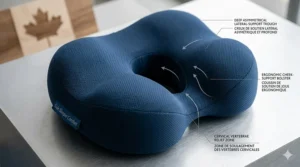
Side Sleeper Pillow for Airplane: Special Considerations
Airplane Seat Dynamics
Aircraft seats present unique challenges. Economy seats offer minimal recline (typically 2-4 inches), creating an upright sleeping angle that exacerbates neck strain for side sleepers. The headrest wings on newer aircraft seats can interfere with traditional U-shaped pillows, pushing them into uncomfortable positions. Health Canada recommends taking steps to maintain comfort during long flights, including proper neck support to prevent deep vein thrombosis and general travel-related discomfort.
Window seats provide a leaning surface that side sleepers instinctively gravitate toward. However, without proper cushioning, leaning directly against the plastic cabin wall leads to pressure points and eventual discomfort. Pillows with flat profiles work better against windows than bulky designs.
Managing Cabin Pressure and Temperature
Airplane cabins maintain humidity levels around 10-20%—significantly drier than comfortable indoor environments. This dryness can make certain pillow materials feel scratchy or irritating against skin during extended contact. Microfiber and velour covers generally feel more comfortable than basic polyester in these conditions.
Temperature regulation matters more at altitude. Cabin temperatures fluctuate, and body temperature regulation changes during sleep. Cooling gel-infused memory foam or pillows with ventilation channels help prevent overheating during long-haul flights.
Attachment and Security Features
Seat strap systems like those on the Cabeau Evolution S3 prevent the most common travel pillow frustration: constant repositioning. These straps wrap around headrest posts, anchoring the pillow regardless of sleep position or turbulence.
For pillows without built-in straps, look for clip attachments or loops that secure to seat belts or clothing. Losing your pillow under the seat in front during turbulence is both frustrating and unhygienic.
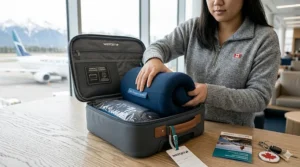
Compact Compression Bag: Storage Solutions
Quality travel pillows typically include compression storage solutions. These bags serve multiple purposes beyond simple containment:
Space Efficiency: Compression reduces pillow volume by 50-75%, critical for carry-on compliance and overhead bin space. The difference between a 12-inch stuffed pillow and a 4-inch compressed bundle is significant when every centimetre of luggage space matters.
Cleanliness Protection: Storage bags shield pillows from airport floors, dirty overhead bins, and general travel grime. Look for water-resistant fabrics that repel spills and moisture.
Easy Access: Carabiner clips or snap straps allow attachment to luggage handles, keeping pillows accessible without requiring unpacking. Many Canadian travellers appreciate this feature during multi-leg journeys through airports like Toronto Pearson or Vancouver International.
Organization: Designated pillow storage prevents the travel accessory chaos that often clutters carry-on bags. No more fishing through luggage searching for your pillow before departure.
✨ Ready to Transform Your Travel Experience?
🎯 These carefully selected travel pillows are designed specifically for side sleepers traveling in Canada. Each option features real customer reviews, verified CAD pricing, and Canadian availability. Click any highlighted product name to check current prices and read detailed reviews on Amazon.ca!
Common Mistakes When Choosing Travel Pillows
Prioritizing Price Over Ergonomics
Budget-friendly airport kiosk pillows might seem appealing at $15-25, but they rarely provide adequate support. These generic U-shaped foam pillows typically use low-density foam that compresses quickly, losing effectiveness within hours. Canadian travellers report better long-term value from quality pillows in the $50-100 range that maintain support across multiple trips.
Ignoring Your Actual Sleep Position
Many people purchase traditional U-shaped pillows despite being dedicated side sleepers. This mismatch leads to disappointment and wasted money. Observe how you naturally sleep on flights before investing in specialized equipment.
Overlooking Compression and Portability
A comfortable pillow that dominates half your carry-on becomes a liability. Consider your typical packing style and luggage constraints. Backpackers need different solutions than business travellers with roller bags.
Neglecting Hygiene Features
Pillows without removable, washable covers accumulate bacteria, oils, and odours quickly. This matters particularly for frequent travellers who use pillows multiple times monthly. Antimicrobial treatments and machine-washable designs justify slightly higher initial costs through extended usable life.

Portable Carry Case: Travel-Friendly Features
The best portable carry case designs incorporate several thoughtful elements:
Material Durability: Water-resistant fabrics protect against spills and rain during airport transit. Reinforced stitching at stress points prevents bag failure after repeated packing cycles.
Attachment Systems: Carabiner clips, snap loops, or strap pass-throughs allow secure attachment to luggage handles or backpack loops. This keeps pillows accessible without occupying interior luggage space.
Size Optimization: Cases should compress pillows effectively without excessive material bulk. The compressed package should feel solid rather than loosely stuffed—this indicates effective compression technology.
Quick Access Design: Wide mouth openings or dual-zipper systems allow fast pillow extraction during boarding. Nobody wants to struggle with stubborn compression bags while blocking the airplane aisle.
Caring for Your Travel Pillow
Washing Guidelines
Memory Foam Pillows: Remove covers and machine wash according to manufacturer specifications (typically cold water, gentle cycle). The foam cores require spot cleaning only—full immersion damages foam structure. Air dry completely before storage to prevent mould growth.
Fabric Pillows: Models like BCOZZY and Trtl typically allow full machine washing after removing internal support frames. Use cold water and mild detergent. Avoid fabric softeners that can reduce breathability.
Frequency Recommendations: Wash covers after every 3-5 uses or monthly for frequent travellers. Spot clean spills immediately to prevent staining.
Storage Between Trips
Store travel pillows in dry, climate-controlled environments. Avoid compressing pillows for extended periods between trips—this can reduce foam resilience over time. Allow memory foam to fully expand after each use before compression storage.
Keep pillows away from direct sunlight and heat sources. UV exposure degrades foam and fabric over time, reducing pillow lifespan.
Replacing Your Pillow
Quality travel pillows typically last 2-3 years with regular use. Signs indicating replacement needs include:
- Permanent foam compression that doesn’t recover
- Tears or fraying in fabric covers
- Persistent odours despite washing
- Reduced support causing neck discomfort
Price Range and Value Analysis
| Price Tier | Range (CAD) | What to Expect | Best For |
|---|---|---|---|
| Budget | $25-45 | Basic support, limited features, shorter lifespan | Occasional travellers, trying travel pillows |
| Mid-Range | $45-75 | Quality materials, compression bags, washable covers | Regular travellers, proven designs |
| Premium | $75-120 | Advanced features, cooling tech, superior materials | Frequent flyers, chronic neck pain sufferers |
The sweet spot for most Canadian travellers falls in the $50-80 range. This bracket typically offers quality memory foam, compression storage, and washable covers without premium pricing. Frequent business travellers often justify premium options through comfort improvement and longevity.

Frequently Asked Questions
❓ How do I know what size travel pillow I need for side sleeping?
❓ Can travel pillows help prevent neck pain on long flights to Europe from Canada?
❓ What is the best material for a side sleeper pillow for airplane travel?
❓ How much should I expect to pay for a quality travel pillow in Canada?
❓ Are inflatable travel pillows good for side sleepers?
Conclusion
Finding the ideal travel pillow for side sleepers transforms air travel from an endurance test into a restful experience. The seven options highlighted in this guide represent the best products currently available to Canadian travellers in 2026, each addressing specific needs and preferences within the side sleeper community.
The Travelrest Nest and BCOZZY deliver excellent value for budget-conscious travellers who prioritize function over premium features. The Cabeau Evolution S3 and Pillow Cube Travel serve dedicated side sleepers willing to invest in superior engineering and materials. The Trtl Pillow Plus appeals to minimalist packers who demand maximum portability without sacrificing support.
Remember that the best pillow ultimately depends on your unique anatomy, travel frequency, and personal preferences. Consider your shoulder width, typical flight durations, packing constraints, and temperature sensitivity when making your selection. Canadian buyers enjoy excellent access to these products through Amazon.ca with reliable shipping and straightforward return policies.
Investing in quality neck support pays dividends beyond just comfort. Proper cervical alignment during travel prevents the cascade of problems that follow poor sleep positioning: muscle tension, headaches, reduced focus, and wasted vacation or business days recovering from travel fatigue. Your neck literally supports your head through every waking and sleeping hour—giving it proper support during travel represents one of the smartest investments in personal wellbeing.
Whether you’re planning a cross-Canada flight, an international adventure, or regular business travel, the right side sleeper pillow for airplane journeys awaits. Browse the products highlighted in this guide, read customer reviews from fellow Canadian travellers, and select the option that best matches your needs. Your neck will thank you on every future flight.
Recommended for You
- 7 Best Pillows for Pregnancy Side Sleepers Canada 2026
- 7 Best Washable Pillows for Side Sleepers Canada 2026
- 7 Best Hypoallergenic Pillow for Side Sleepers Canada 2026
Disclaimer: This article contains affiliate links to Amazon.ca. If you purchase products through these links, we may earn a small commission at no additional cost to you.
✨ Found this helpful? Share it with your friends! 💬🤗
